Skip to content

Tinplate—steel coated with a thin layer of tin—is a workhorse material in automotive component manufacturing, not a niche or legacy choice. Engineers and procurement teams need to understand how tinplate supports automotive component manufacturing, because its material properties map directly to real parts: fuel tanks, brake lines, oil filters, gaskets, battery terminals, and trim.

Corrosion resistance, conductivity, solderability, formability, and strength-to-weight ratio each determine where tinplate delivers performance, cost, and manufacturing efficiency. This article explains those properties and the specific automotive applications they serve.
Key Takeaways
- Tinplate is steel coated with tin. It provides strength, corrosion resistance, and solderability for many automotive parts.
- The tin coating acts as a barrier against rust. It protects fuel tanks, brake lines, and underbody components from road salt and moisture.
- Tinplate conducts electricity well. It keeps contact resistance low for battery terminals, connectors, and ground straps.
- Tinplate is easy to solder. This makes it ideal for electronic components and wiring harnesses.
- Tinplate is strong yet lightweight. It helps reduce vehicle weight and improve fuel efficiency.
- Tinplate forms easily into complex shapes. This reduces tool wear and extends die life in manufacturing.
- Tinplate is recyclable. It supports sustainability goals and provides scrap value.
- Tinplate offers a cost-effective balance of performance, manufacturability, and durability for automotive engineers.
How Tinplate Supports Automotive Component Manufacturing

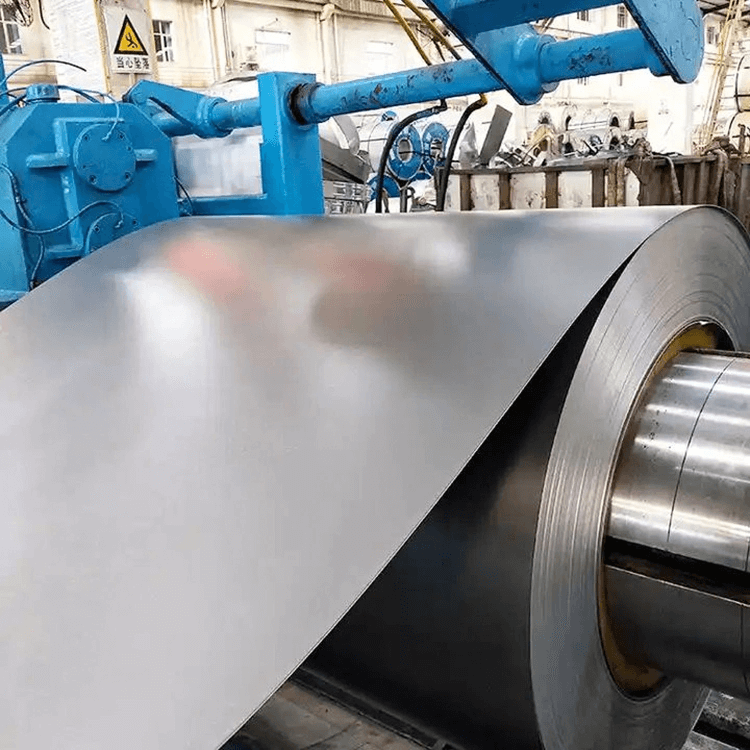
Understanding what tinplate is and how its properties serve automotive needs starts with its composition. Tinplate is electrolytic tin-coated steel. It is not a tin alloy. The steel core provides mechanical strength while the tin coating handles surface functions.
Definition and Composition
Cold-Rolled Steel Core
The base of tinplate is cold-rolled low-carbon steel. This core delivers the structural strength needed for automotive parts. Cold rolling refines the grain structure. It also improves surface smoothness. A smoother substrate reduces the tin thickness required for a pore-free layer. The steel grade depends on the forming operation. Deep-drawing applications need softer, more ductile grades. Brackets and supports use harder tempers.
Electrolytic Tin Coating
The tin layer is applied through electroplating. Coating thickness is controlled precisely, typically from a few micrometers up to around 50 µm. Pure tin coatings contain at least 99.5 wt% Sn. They offer optimal solderability and the lowest contact resistance, below 1 mΩ. However, pure tin carries a risk of whisker growth. It also has limited wear resistance.
Alloy additions change the coating properties significantly. The table below summarizes common tin coating compositions used in automotive applications.
| Composition Type | Key Components | Microstructure/Properties |
|---|---|---|
| Pure Tin | ≥99.5 wt% Sn | Optimal solderability, lowest contact resistance (<1 mΩ), but risk of whisker growth and limited wear resistance |
| Tin-Copper Alloy | 2 mass% Cu addition | Stabilizes β-tin phase, suppresses whisker formation, increases hardness by 20–30% |
| Tin-Bismuth Alloy | 2 mass% Bi addition | Lowers melting point to 138°C (vs. 232°C for pure tin), improves ductility during bending |
| Tin-Silver/Antimony/Indium | 0.1–0.5 wt% Ag, Sb, or In | Stabilizes β-tin phase, enhances thermal cycling reliability (-40°C to +150°C) |
| Tin-Copper Co-deposited | 5–15 wt% Cu, fine equiaxed grains (0.1–0.3 µm) | Hardness 50–80% higher than pure tin |
| Tin-Graphite Composite | 0.1–1.0 wt% carbon particles (0.5–5 µm diameter) | Friction coefficient ≤0.20, wear life 3–5× compared to pure tin |
Engineers select the coating composition based on the operating environment and joining requirements. This selection process is one part of How Tinplate Supports Automotive Component Manufacturing through tailored surface properties.
Key Properties for Automotive Use
Corrosion Resistance
Electrolytic tin coatings protect steel as a cathodic coating. Tin is more noble than steel under atmospheric conditions. It does not sacrificially protect the substrate. Instead, it seals the steel surface from the atmosphere. This requires the tin deposit to be thick enough to become essentially pore-free.
Surface finish strongly affects performance because protection depends on sealing. Smoother substrates need less tin for the same barrier effect. Good corrosion protection begins around 20 µm of tin. Excellent protection requires around 50 µm on reasonable substrates. Thin spots or pores expose steel to corrosion at defects.
Several mechanisms enhance resistance. Tin forms a passive SnO₂ film in ambient air. This provides moderate protection in neutral and mildly acidic environments. A nickel interlayer of 0.5–2.0 µm reduces tin corrosion current density by 80–90% in ASTM B117 salt spray. Zinc-nickel interlayers provide cathodic protection at cut edges and defects. These systems extend corrosion protection lifetime by 2–3 times versus nickel-only systems. Intermetallic compounds refine the microstructure. They show a 60–75% reduction in corrosion current density after 1000 hours of salt spray.
These protection mechanisms are central to How Tinplate Supports Automotive Component Manufacturing for underbody parts and fuel systems.
Conductivity and Solderability
The tin coating provides high electrical conductivity. This ensures efficient power transfer in battery terminals, connectors, and ground straps. Pure tin coatings achieve contact resistance below 1 mΩ. This supports reliable electrical connections.
Solderability is equally important. Tin has a low melting point and good wetting behavior. It forms strong solder joints. This enables secure joining of wiring harnesses, sensor housings, and electronic modules. Tin-bismuth alloys lower the melting point to 138°C. This helps protect temperature-sensitive components during assembly.
Formability and Strength
Tinplate forms into complex shapes without cracking. The cold-rolled steel core provides strength while the tin coating stays intact during forming. This supports optimized component design. The material handles stamping, drawing, and bending operations well. The tin coating acts as a lubricant during forming. This reduces tool wear and extends die life.
Tinplate Versus Alternative Materials
Versus Aluminum
Aluminum has lower density. Tinplate offers higher strength at thinner gauges. Tinplate generally costs less per unit of strength. Tinplate also solders more easily. Aluminum requires surface preparation and specialized fluxes for soldering. For parts needing both strength and electrical connectivity, tinplate provides better performance at lower cost.
Versus Uncoated Steel
Uncoated steel corrodes in automotive environments. The tin coating provides the barrier protection that bare steel lacks. Fuel tanks, brake lines, and underbody parts need this corrosion resistance. The tin coating also improves solderability and conductivity. Uncoated steel cannot match these properties.
Versus Plastics
Plastics offer light weight and design flexibility. However, they lack the strength, conductivity, and heat resistance of tinplate. Structural brackets, mounting plates, and heat shields need mechanical reliability. Plastics cannot provide this. Plastics also cannot match tinplate conductivity for electrical grounding and EMI shielding.
This comparison of tinplate against alternatives shows How Tinplate Supports Automotive Component Manufacturing across multiple performance dimensions. Each material has a place. However, tinplate fills the niche where strength, corrosion resistance, and conductivity are all required in a single formed part.
Corrosion Protection in Underbody Parts

Underbody components face constant attack from moisture, road spray, and de-icing chemicals. Tin plating shields the steel beneath it by sealing the surface from the atmosphere. The coating acts as a barrier rather than a sacrificial layer. This distinction matters for part design. A continuous, pore-free tin layer keeps water and oxygen away from the steel core. Any break in that layer exposes bare steel, so coating thickness and surface quality drive real-world durability.
Single reduced tinplate plays a central role here. Single reduction means the steel passes through one cold-reduction cycle, which produces a dense, uniform microstructure. That structure resists rust and corrosion effectively and extends part life across the vehicle’s service window. The tin coating on top handles the surface chemistry. Together, the two layers give underbody parts a durable defense against the environment.
Fuel Tanks and Brake Lines
Resistance to Fuel and Moisture
Fuel tanks and brake lines sit at the front line of corrosion exposure. Fuel tanks contain liquid fuel on one side and face road spray on the other. Brake lines carry hydraulic fluid under pressure and run along the underbody, where moisture and salt collect. Tin-coated steel handles both duties well. The tin layer resists attack from moisture and from the mildly acidic conditions that form when water mixes with road contaminants. A passive SnO₂ film forms on the tin surface in ambient air, which provides moderate protection in neutral and mildly acidic environments. This film regenerates when damaged, which helps the coating recover from minor scratches.
Terne-Coated and Tin-Coated Variants
Terne coating offers a related option for fuel system parts. Terne is a lead-tin alloy coating, and it has a long history in fuel tank construction because it solders easily and resists fuel exposure. Tin-coated variants serve applications where lead-free construction is preferred. Both variants rely on the same principle: a metallic coating that seals the steel and provides a stable surface for joining. Engineers choose between them based on joining method, regulatory requirements, and the specific fuel chemistry involved.
Exhaust and Oil Filtration
Heat and Corrosion Demands
Exhaust components face a harsher combination of heat and corrosion than most underbody parts. Condensate forms inside exhaust systems during warm-up and cool-down cycles, and that condensate carries acidic compounds. Tin coatings hold up in the moderate temperature ranges found in some exhaust-adjacent parts, though the hottest sections of the exhaust stream exceed what tin can tolerate. Engineers therefore apply tinplate where heat exposure stays within the coating’s limits and corrosion resistance matters most.
Oil Filters and Gaskets
Oil filters and gaskets represent two high-volume applications for tinplate. Filter housings need corrosion resistance on the outside and compatibility with hot oil on the inside. Tin-coated steel meets both demands. Gaskets require a material that seals tightly and resists compression set. Tinplate’s formability allows precise gasket shapes, and the tin surface provides a stable sealing interface. These parts illustrate how tinplate supports automotive component manufacturing in ways drivers never see but always depend on.
Underbody Brackets and Fasteners
Sacrificial Protection at Cut Edges
Cut edges present a special challenge for any coated steel. Stamping and shearing operations expose bare steel along the cut line. Tin does not sacrificially protect steel the way zinc does, so exposed edges rely on other defenses. Zinc-nickel interlayers solve this problem. These interlayers provide cathodic protection at cut edges and defects, and they extend corrosion protection lifetime by two to three times compared with nickel-only systems. A nickel interlayer of 0.5–2.0 µm reduces tin corrosion current density by 80–90% in ASTM B117 salt spray testing. Engineers specify these interlayers when brackets and fasteners will see cut-edge exposure in service.
Road-Salt Durability
Road salt accelerates corrosion on every underbody part. Brackets and fasteners sit close to the road surface, where salt spray concentrates. Tinplate with an appropriate interlayer system resists this exposure far better than uncoated steel. The barrier effect of the tin coating blocks chloride ions from reaching the steel. Intermetallic compounds in the coating system refine the microstructure and show a 60–75% reduction in corrosion current density after 1000 hours of salt spray. These results explain why automotive engineers continue to specify tinplate for brackets, mounting plates, and fasteners that must survive many winters of road-salt exposure.
Electrical Conductivity and Solderability
Tin plating gives automotive parts a low-resistance surface. Pure tin coatings reach contact resistance below 1 mΩ, which supports efficient power transfer. This property matters for every connection that carries current, from battery cables to control modules. The coating also accepts solder easily, so manufacturers can join components without expensive surface treatments.
Solderability in Automotive Electronics
Low Melting Point and Wetting Behavior
Tin melts at 232 °C. That temperature sits low enough for standard reflow processes, which run between 232 °C and 260 °C. A tin-plated surface wets almost instantly, so molten solder bonds to it and forms a reliable electrical connection. Matte tin performs better here than bright tin. Bright tin contains brighteners that can burn during soldering, while matte tin offers superior solderability for precise joints.
Wetting does not always go perfectly. Contaminants on the tin surface block solder from bonding, a condition called non-wetting. In de-wetting, solder spreads first and then pulls back because of poor cleaning or an uneven oxide layer. A second reflow cycle can trigger self-de-wetting, where free tin melts, penetrates the oxide layer, and clumps on top. A homogeneous oxide layer prevents this defect by stopping liquid tin from breaking through.
Lead-Free Solder Compatibility
Lead-free solders work well on tinplate. Bismuth tin withstands cold exposure and meets RoHS rules. Tin-lead solders melt at 182 °C and solder superbly, but they fail RoHS compliance. Matte tin remains the practical choice for high-reliability electronics because it resists whiskering and solders cleanly.
Connectors and Terminals
Battery Terminals and Ground Straps
Battery terminals rank among the most common tinplate applications. The tin surface resists corrosion and holds contact resistance low. Ground straps depend on the same properties. They carry return current between the chassis and electrical components, so a stable, conductive surface keeps voltage drop small.
Sensor Housings and Relays
Sensor housings and relays need solderable, conductive surfaces. Tin plating lets manufacturers solder internal connections directly. The coating also protects these small parts from moisture during the vehicle’s service life.
Shielding and Grounding
Conductivity for EMI Control
Electromagnetic interference, or EMI, travels as unwanted electrical noise. Tinplate enclosures block that noise because the tin layer conducts electricity across the whole surface. A continuous conductive shell absorbs and redirects interference away from sensitive circuits.
Grounding Paths in Control Modules
Control modules need dependable grounding paths. Tin-plated steel provides a low-resistance route from the module to the chassis. The tin coating keeps that route stable over time by preventing corrosion at contact points. Corroded grounds cause erratic signals, so this protection supports long-term reliability.
Lightweighting and Fuel Efficiency
Automakers pursue lighter vehicles to cut fuel consumption and meet emissions rules. Tinplate contributes to this goal through a favorable strength-to-weight ratio. The cold-rolled steel core provides mechanical strength, and the tin coating adds surface protection without meaningful mass. Engineers can therefore specify thinner gauges than uncoated steel would allow for the same load, which trims overall vehicle weight.

Strength-to-Weight Ratio
Thin-Gauge Capability
Tinplate supports thin-gauge designs because the steel core carries structural loads while the tin layer handles surface functions. Cold rolling refines the grain structure and improves surface smoothness. A smoother substrate reduces the tin thickness required for a pore-free layer. This lets manufacturers use less material without sacrificing protection. The result is a part that weighs less than a thicker uncoated steel equivalent.
Load-Bearing Applications
Load-bearing parts need strength and durability. Tinplate delivers both through its steel core. The material handles stamping, drawing, and bending operations well. The tin coating acts as a lubricant during forming, which reduces tool wear and extends die life. These properties suit brackets, supports, and mounting hardware that must carry mechanical loads over the vehicle’s service life.
Structural and Semi-Structural Parts
Brackets and Mounting Plates
Brackets and mounting plates hold components in place and transfer loads to the chassis. Tinplate forms these parts precisely and resists corrosion in underbody locations. The material’s formability allows complex geometries that save weight by removing excess material. Engineers can optimize the shape to match the load path rather than overbuilding the part.
Heat Shields and Baffles
Heat shields and baffles manage thermal exposure and airflow. Tinplate holds up in moderate temperature ranges found in exhaust-adjacent locations. The steel core provides rigidity, and the tin coating resists condensate corrosion. These parts illustrate how tinplate supports lightweighting without compromising function.
Mass Reduction and Fuel Economy
Comparison with Thicker Steel
Thicker uncoated steel adds mass without adding proportional strength. Tinplate offers higher strength at thinner gauges than aluminum, and it generally costs less per unit of strength. A tinplate part can therefore replace a heavier steel component while maintaining structural performance. The weight difference depends on the specific application and gauge selected.
Meeting Fuel Economy Targets
Fuel economy targets push automakers to reduce mass across the vehicle. Tinplate helps meet these targets by enabling thinner, lighter parts that still perform. The material also supports recyclability, which aligns with sustainability goals. Engineers and procurement teams should weigh these benefits against the specific load and corrosion demands of each application. Tinplate will not suit every part, but it fills a useful role where strength, corrosion resistance, and low mass must coexist.
Interior and Exterior Trim
Tinplate serves both visible and hidden trim roles inside and outside vehicles. Its processability makes it a practical choice for components that meet dimensional tolerances and support decorative finishes. The material forms precise shapes. It accepts paint, plating, or adhesive bonding without added surface treatments.
Interior Structural and Decorative Parts
Dashboard Bezels and Knob Covers
Dashboard bezels frame instrument clusters and infotainment screens. They need a material that holds tight tolerances during forming. Tinplate delivers this stability. The cold-rolled steel core resists creep and warping that plastics can exhibit under heat. The tin coating provides a uniform surface for paint adhesion. Manufacturers stamp bezels in a single operation.
Knob covers wrap around control stalks and rotary switches. Tinplate forms thin-walled cylindrical shapes without cracking. The material’s ductility allows deep drawing to create the full enclosure. The tin surface also accepts laser etching for icons and markings. This step eliminates separate labeling operations.
Speaker Grilles and Emblem Backing
Speaker grilles require perforated metal with clean holes. Tinplate handles perforation without tearing or deforming around each hole. The tin coating stays intact along the cut edges. This prevents rust from forming around the openings. Moisture from condensation or spills can collect on interior trim.
Emblem backing provides the substrate for brand badges and model designations. The backing must bond securely to the emblem and the vehicle body. Tinplate offers a stable surface for adhesive application. The material does not absorb moisture or outgas volatiles. This property prevents adhesive failure over time. Water can seep between the badge and the sheet metal. Tinplate handles this exposure without degrading.
Exterior Trim and Badging
Chrome-Look and Painted Substrates
Exterior trim often carries a bright chrome appearance. Tinplate serves as a suitable substrate for chrome plating. The smooth surface from cold rolling provides a consistent base. The tin layer protects the steel during the plating process.
Painted substrates benefit from the same smoothness. Paint flows evenly across the surface. It forms a uniform film without pinholes or defects. Manufacturers can match body color exactly. The tin layer does not react with paint chemistries. This compatibility prevents blistering or adhesion loss.
Weather Resistance
Exterior trim faces direct sunlight, rain, temperature swings, and road chemicals daily. Tinplate resists these conditions through its protective coating. The tin layer blocks moisture from reaching the steel core. The passive SnO₂ film regenerates after minor scratches. This keeps trim looking acceptable over the vehicle’s life.
The steel core also maintains dimensional stability. Trim parts do not warp or sag under heat. Some plastics show this deformation after repeated thermal cycles. Tinplate avoids this failure mode entirely. Its thermal expansion matches the surrounding body panels. This matching prevents gaps or distortion at attachment points.
Surface Finish and Paintability
Coating Adhesion
Paint and decorative coatings must bond firmly to the substrate. Tinplate offers good adhesion for most coating systems. The tin surface provides a chemically stable interface. No thick oxide layer inhibits bonding. Manufacturers can apply paint directly without primers in some cases.
Adhesion testing confirms coating integrity. Coatings stay intact through thermal cycling and humidity exposure. The tin surface maintains its profile throughout the coating process. This consistency supports reliable quality control during production.
Aesthetic Consistency
Consistent appearance matters for trim components. Tinplate delivers this consistency through its uniform surface. The cold rolling process imparts a repeatable surface texture. The coating covers the full sheet evenly.
Parts made from the same coil match each other in appearance. This matching eliminates sorting and rework during assembly. Manufacturers can trust that each part looks the same. This reliability reduces scrap rates and speeds up production.
Manufacturing and Cost Benefits
Tinplate offers manufacturing advantages that reduce production costs and support sustainability goals. The material forms easily, joins reliably, and recycles at end of life. These traits help automotive manufacturers control expenses while meeting environmental targets.

Formability in Stamping and Drawing
Ductility for Complex Shapes
The cold-rolled steel core gives tinplate the ductility needed for deep drawing and stamping. Deep-drawing applications need softer, more ductile grades. Brackets and supports use harder tempers. This range lets engineers match the material to the forming operation. The tin coating stays intact during forming. It acts as a lubricant that reduces friction between the sheet and the die. Complex geometries form without cracking or tearing. Manufacturers can produce fuel tanks, oil filter housings, and gaskets in high-volume stamping runs.
Tool Wear and Die Life
The tin coating reduces tool wear during stamping and drawing. Lower friction means dies last longer and require less maintenance. Extended die life cuts downtime and replacement costs. The smoother surface of cold-rolled steel also contributes to reduced wear. A smoother substrate reduces the tin thickness required for a pore-free layer. This combination of smooth substrate and lubricating coating keeps production lines running efficiently.
Weldability and Joining
Resistance Welding
Tinplate joins well through resistance welding. The steel core conducts current and generates the heat needed to form a weld. The tin coating does not interfere with the welding process at typical coating thicknesses. Manufacturers use resistance welding for fuel tanks, brackets, and structural supports. The process is fast and repeatable, which suits high-volume automotive production.
Soldering and Adhesive Bonding
Tinplate solders easily because tin has good wetting behavior. Molten solder bonds to the tin surface and forms a reliable electrical connection. Matte tin performs better than bright tin for soldering because brighteners can burn during the process. Adhesive bonding also works well. The tin surface provides a chemically stable interface for adhesives. Manufacturers can apply adhesives directly without primers in some cases. This flexibility lets engineers choose the best joining method for each application.
Cost and Sustainability
Raw Material Cost Versus Alternatives
Tinplate generally costs less per unit of strength than stainless steel and aluminum. Stainless steel carries higher alloying costs. Aluminum requires more energy to produce and costs more per unit of strength. Tinplate offers a favorable balance of performance and price. The material also reduces manufacturing costs through good formability and weldability. These savings compound across high-volume production runs.
Recyclability and Scrap Value
Tinplate products can be recycled at end of life. Steel is one of the most recycled materials in the world. The tin coating does not prevent recycling. Scrap processors recover both the steel and the tin. This recyclability supports sustainability in automotive manufacturing. It also gives scrap value back to manufacturers. Recycled tinplate reduces the demand for virgin materials and lowers the environmental footprint of production.
Tinplate’s material properties link directly to specific automotive components. Corrosion resistance suits fuel tanks, brake lines, oil filters, and gaskets. Conductivity and solderability serve battery terminals, connectors, and sensor housings. Formability and strength-to-weight ratio enable trim, brackets, and mounting plates. Engineers choose tinplate deliberately for these parts, not by default.
Procurement teams should note the balance tinplate offers: performance, manufacturability, recyclability, and cost. As vehicles move toward electrification and lightweighting, tinplate remains relevant for connectors, terminals, and structural components. This overview of How Tinplate Supports Automotive Component Manufacturing shows the material still earns its place in modern vehicle design.
FAQ
What exactly is tinplate?
Tinplate is steel coated with a thin layer of tin through electroplating. It is not a tin alloy. The cold-rolled low-carbon steel core provides mechanical strength, while the tin coating handles surface functions like corrosion resistance, solderability, and electrical conductivity.
How thick is the tin coating on automotive tinplate?
Coating thickness is controlled precisely during electroplating. It typically ranges from a few micrometers up to around 50 µm. Good corrosion protection begins around 20 µm of tin, while excellent protection requires around 50 µm on reasonable substrates.
Does tin protect steel the same way zinc does?
No. Tin is more noble than steel under atmospheric conditions, so it acts as a barrier rather than a sacrificial coating. Zinc-nickel interlayers provide cathodic protection at cut edges and defects, which extends corrosion protection lifetime by two to three times versus nickel-only systems.
Why does tinplate work well for battery terminals?
Pure tin coatings achieve contact resistance below 1 mΩ, which supports efficient power transfer. The tin surface also resists corrosion and holds that low resistance stable over time. These properties suit battery terminals, ground straps, and other connections that carry current.
What solder types work with tinplate?
Tin-lead solders melt at 182 °C and solder superbly, but they fail RoHS compliance. Lead-free options like bismuth tin withstand cold exposure and meet RoHS rules. Matte tin remains the practical choice for high-reliability electronics because it resists whiskering and solders cleanly.
Can tinplate replace aluminum in automotive parts?
It depends on the application. Aluminum has lower density, but tinplate offers higher strength at thinner gauges and generally costs less per unit of strength. Tinplate also solders more easily. For parts needing both strength and electrical connectivity, tinplate often provides better performance at lower cost.
Is tinplate recyclable?
Yes. Steel ranks among the most recycled materials in the world, and the tin coating does not prevent recycling. Scrap processors recover both the steel and the tin. This recyclability supports sustainability goals and gives scrap value back to manufacturers.
How does tinplate help with lightweighting?
The steel core carries structural loads while the tin layer handles surface functions without meaningful mass. Engineers can specify thinner gauges than uncoated steel would allow for the same load. This trims overall vehicle weight and helps meet fuel economy targets.