Skip to content

Tinplate and TFS are the two dominant steel-based substrates for food cans. The choice between tinplate and TFS shapes corrosion resistance, coating strategy, cost, and can-line performance. Both share a steel base. They differ mainly in the surface layer: tin for tinplate, chromium-chromium oxide for TFS. That single difference drives where each substrate fits best in canned food packaging. A food-can substrate decision also depends on the product and the production line. This tinplate vs. TFS for food cans comparison examines properties, coating needs, compliance, and selection factors. It includes how to choose tinplate for food cans: a practical selection guide. Readers can then match tinplate vs. TFS to their own cans and food-can packaging requirements.
Key Takeaways
- Tinplate has a tin coating that protects cut edges and scratches, making it good for acidic foods.
- TFS has a chromium oxide surface that resists sulfur staining, ideal for fish and seafood cans.
- TFS requires a complete internal coating because it lacks tin’s protective barrier.
- Tinplate and TFS share a steel base, so they have similar strength and forming behavior.
- Coating and processing costs often matter more than the metal price difference.
- Choose the substrate based on the food type, can design, and retort conditions.
- Always request full documentation and run production trials to confirm performance.
- Match temper and thickness to the forming operation to avoid defects and waste.
Defining Tinplate and TFS

What Is Tinplate?
Steel Base with Tin Coating
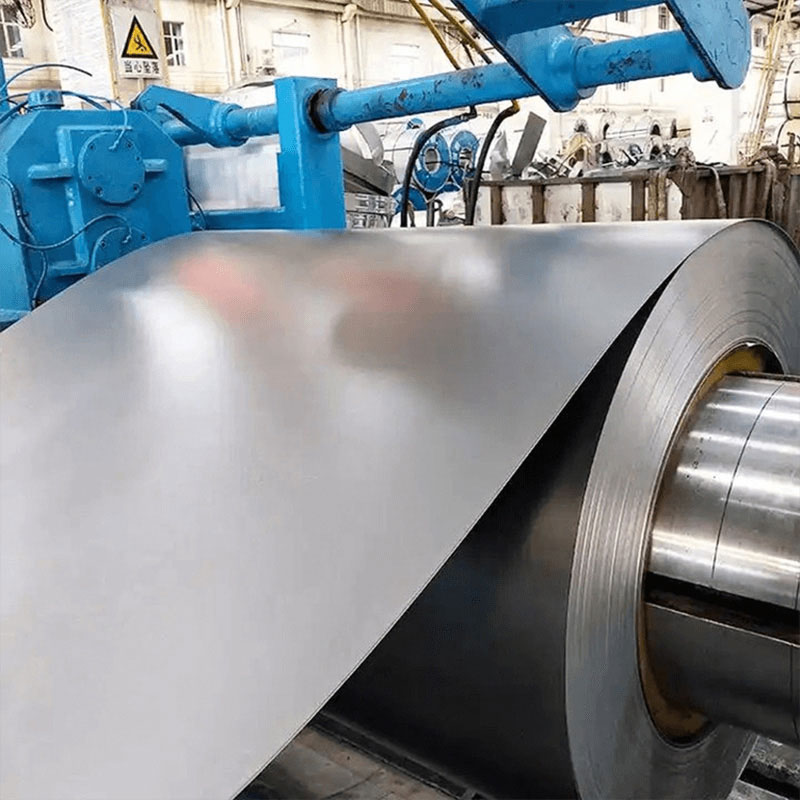
Tinplate is light-gauge steel coated with commercially pure tin. The material has served as a robust packaging option for over a century. Manufacturers produce most of it by electrodeposition, and the trade calls this grade electrolytic tinplate, or ETP. The tin layer protects the steel and provides a bright, solderable surface. Tinplate is the most common material in three-piece cans, whether welded, soldered, or glued. The steel core supplies strength, and the tin surface supplies corrosion protection.
Typical Coating Weights
Tin coating weight is expressed per side, usually in grams per square meter. Producers offer a range of coating weights to suit different duties. Light coatings serve mild products, and heavier coatings serve more demanding ones. Buyers can specify equal coatings on both sides or a differential coating with a heavier layer on the product side. The coating weight interacts with the internal lacquer, so the two are specified together.
What Is TFS?
Steel Base with Chromium Oxide
TFS, also called tin free steel, uses the same steel base but replaces tin with a chromium and chromium oxide treatment. The full name is electrolytic chromium coated steel, or ECCS. The metallic chromium layer is extremely thin, and a chromium oxide film sits on top. This surface gives TFS excellent resistance to sulfur staining. The absence of tin also changes the coating behavior, and most TFS cans rely on a lacquer for full protection.
Typical Coating Structure
The chromium and chromium oxide treatment forms a two-part surface. The metallic chromium provides a base for adhesion, and the oxide film supports lacquer bonding. Both layers are far thinner than a typical tin coating. This structure explains why TFS performs well under organic coatings and why bare TFS has limited use in direct food contact.
Shared Steel, Different Surfaces
Common Substrate
Tinplate and TFS share a common substrate: low-carbon steel sheet, rolled to the required thickness and temper. Both materials therefore offer similar mechanical strength and forming behavior. Can makers can run either one on comparable equipment with appropriate adjustments.
Divergent Surface Chemistry
The surface chemistry separates the two materials. Tin offers sacrificial protection and solderability. The chromium and chromium oxide treatment offers sulfide resistance and strong coating adhesion. Neither surface is universally superior. The difference in surface chemistry is the root of application fit, and it guides the choice between tinplate and TFS for specific cans and products.
Corrosion and Sulfide Performance
Corrosion Resistance
Tinplate provides excellent corrosion resistance for food packaging. TFS offers excellent resistance against sulfur staining. Each material leads on a different front, and neither wins overall.
Tinplate in Acidic and Alkaline Foods
The tin layer gives tinplate a practical corrosion margin at exposed edges and small scratches. That margin matters in acidic and alkaline products, where bare steel would attack quickly. Tin also supports high-temperature retort processing and strong structural integrity. Tinplate cans seal well against air, moisture, and light, which protects sensitive products through storage and distribution.
“Tin also provides corrosion protection at cut edges and small scratches better than a bare TFS surface, which is why tinplate remains a common choice for bodies and ends in aggressive food environments.”
TFS Performance Limits
TFS, or ECCS, carries no tin barrier. Bare TFS edges offer less protection, so the surface must remain fully coated. A complete organic coating becomes mandatory, not optional. Processors select TFS for aggressive or acidic foods only when the entire surface is lacquer-protected. The table below summarizes the contrast.
| Attribute | Tinplate (ETP) | TFS (ECCS) |
|---|---|---|
| Surface layer | Metallic tin over steel | Chromium/chromium-oxide treatment; no tin layer |
| Protection at cut edges and scratches | Tin provides a practical corrosion-protection margin at exposed edges and small scratches | Bare TFS edges offer less protection; surface must remain fully coated |
| Coating requirement | Compatible with food-contact lacquers; tolerates minor exposed areas | Requires complete organic coating coverage since no tin barrier exists |
| Retort/sulfur performance | Documented resistance (e.g., 121°C for 90 min, no blistering/blushing) | Depends on full coating integrity; sulfur/retort evidence must be requested per coated system |
| Suitability for aggressive/acidic food | Preferred where corrosion margin at edges matters | Selected only when entire surface is lacquer-protected |
Sulfide Staining
TFS Resistance to Sulfur Staining
TFS earns its place in sulfur-containing foods. The chromium oxide surface resists the dark staining that sulfur compounds can cause. That resistance depends on complete coating integrity. Buyers should request sulfur-resistance and retort evidence for the full coated system when they evaluate TFS.
Tinplate Behavior with Sulfur Foods
In sulfur-containing foods such as fish and seafood, proteins release sulfur compounds during heating. These compounds can react with exposed metal to form dark iron sulfide or tin sulfide stains. High-sulfur cans therefore typically use sulfur-resistant internal lacquers, some formulated with aluminum paste as a barrier pigment. Tinplate has documented retort and sulfur performance: 121°C for 90 minutes with zero blistering and zero blushing. That record supports its use in meat and fish cans when the coating system is complete and continuous.
Shelf Life Factors
Substrate Influence on Storage
Shelf life depends on the substrate, the internal coating, the can-making process, and the storage conditions together. Tinplate offers more forgiving exposed-edge behavior and a corrosion margin at cut edges. TFS performs well only when a high-performance coating system protects the entire surface. Neither material guarantees a fixed shelf life on its own.
Tinplate offers advantages in food-can history, solderability, and more forgiving exposed-edge performance, giving a corrosion margin at cut edges. TFS provides a tin-free path with excellent lacquer adhesion and performs well only when the entire surface is protected by a high-performance coating system. The choice of substrate therefore directly affects shelf-life factors such as corrosion resistance, edge protection, coating integrity, and retort/sulfur resistance — and should be matched to the food matrix, can format, and retort cycle.
Product-Specific Considerations
The food matrix drives the final decision. Acidic products, salty products, and fatty products each stress the package differently. Sulfur-rich products demand sulfide-resistant lacquer. Aggressive retort cycles demand a coating system proven under those conditions. Processors should tie shelf-life expectations to the specific food, the coating system, and the storage environment. Controlled pack testing remains the reliable way to confirm performance in food-can packaging.
Coating Requirements and Internal Protection

Why Internal Coatings Matter
Barrier Function
The internal coating system carries most of the protective duty in both tinplate and TFS food cans. A proper lacquer must resist retorting, salt, and fats. A two-pass heavy gold lacquer tolerates 121°C for up to 90 minutes with zero blistering and zero blushing. The same film must resist sulfur compounds in meat and fish cans, preventing sulfide staining and black spots after forming. Flavor protection also depends on this barrier. The internal coating system determines whether a can avoids coating defects, staining, or taste problems during processing.
Adhesion Differences
TFS offers a clean surface for lacquer adhesion. Tinplate offers a different bonding character through its tin layer. Neither surface removes the need for careful curing and forming control. Adhesion must survive flanging, beading, and seaming on the line. A film that passes flat-sheet inspection can still fail after severe forming.
Coating Selection by Substrate
Tinplate Coating Options
Tinplate accepts a broad range of internal food-contact lacquer chemistries, including phenolic, epoxy, and organosol types. Sulfur-resistant internal lacquers suit fish and meat packs. Buyers should confirm which side receives which coating when they order differential material. A heavier tin coating alone does not resolve every compatibility issue. The lacquer, the tin weight, and the food must work as one system.
TFS Coating Options
Lacquered TFS depends on complete organic coverage, because the surface has no tin barrier. Processors specify full-coverage systems for these cans and verify film integrity after forming. A generic “food-grade” claim does not establish suitability for every canned food. Testing with the actual food and process remains the reliable path.
Defects and Substrate Interaction
Porosity Risks
Porosity in the film exposes bare metal, and the risk differs by substrate. Tinplate tolerates minor breaches because tin provides a practical protection margin at exposed edges and scratches. Bare TFS edges offer little protection, so the surface must stay coated. Incomplete coating on TFS is the main route to edge corrosion and coating-related defects.
Substrate-Specific Defects
In a multi-year high-speed stamping program for non-round fish cans, precision slit tinplate and TFS strips underwent severe drawing and flanging without coating delamination or foil bursting. That result shows adhesion can survive aggressive forming when strip quality and slitting are controlled. Gauge consistency, slitting burr, edge rust, coating adhesion, and batch traceability govern can-line efficiency and the substrate-coating interaction. Buyers of tinplate and TFS should weigh coating cost, edge-protection strategy, retort performance, and compliance alongside metal price.
Cost and Manufacturing Considerations
Substrate Cost Profile
Tin Cost Factors
Tinplate carries a metallic tin layer, and tin prices move on their own market cycle. That exposure sits on top of the steel base cost. Buyers who compare quotes see the tin component shift between orders, even when the steel grade stays fixed.
Tin cost is one component within a broader comparison. A low metal price does not settle the choice. Coating cost, can-line compatibility, edge protection strategy, retort performance, and compliance all enter the same calculation.
TFS Cost Profile
TFS eliminates the metallic tin layer, and that changes the raw-material cost structure relative to tinplate. The material is not a straightforward drop-in substitute, however. TFS lacks tin’s exposed-edge protection and solderability, so can design must include a full protective coating.
Can-Making Performance
Formability and Welding
Welded three-piece cans and drawn can designs place different demands on material. Buyers should confirm specifications with the can manufacturer and tooling team before committing to a substrate.
| Attribute | Tinplate | TFS (ECCS) |
|---|---|---|
| Solderability | Tin surface is solderable | Not solderable (tin-free surface) |
| Seaming flexibility | Favored where seaming flexibility is needed | Selected when surface is fully coated |
| Cut-edge protection | Tin gives better protection at cut edges and small scratches | Bare surface less forgiving at exposed edges |
| Lacquer adhesion | Compatible with food-contact lacquers | Excellent lacquer adhesion; best when fully coated |
| Deep drawing | Softer tempers or deep-drawing quality more stable for severe drawing | Works well when the entire surface carries a high-performance coating |
Line Speed and Efficiency
Line efficiency follows material consistency. Gauge variation, slitting burr, and edge damage slow high-speed lines and raise reject rates. Both substrates reward tight tolerances and clean edges.
Total Cost of Ownership
Coating and Processing Costs
Coating and processing costs often outweigh the metal price difference. Key levers include:
- Lightweighting: double-reduced tinplate in the roughly 0.14–0.16 mm range is increasingly adopted to cut material use and reduce cost.
- Thin-gauge demands: ultra-thin double-reduced tinplate for can bodies requires burr-free slitting, tight thickness tolerance, and anti-rust oil on slit edges to keep high-speed lines running reliably.
Scrap and Rework
Scrap and rework tie back to coating integrity. A failed lacquer film on TFS exposes bare metal, and rework costs climb. Tinplate tolerates minor breaches, which lowers rework risk in some operations. Neither substrate wins on every line; each fits best where its surface matches the job.
Regulatory Compliance and Food Safety

Food Contact Compliance
Regulatory Frameworks
Compliance starts with the destination market. Buyers must confirm which food-contact requirements apply before they approve any material. Several frameworks govern tinplate and TFS in major markets.
| Regulatory Framework / Standard | Applicable Scope |
|---|---|
| ASTM A623 | Standard specification covering tinplate and ECCS (TFS) |
| EN 10202 | European standard specification for tinplate and ECCS (TFS) |
| RoHS | Food-contact organic coatings for meat and fish cans (where applicable) |
| FDA 21 CFR 175.300 | Food-contact organic coatings for meat and fish cans (where applicable) |
| SGS REACH / RoHS reports | Documentation for coated TFS |
| EN 10204 3.1 mill certificate | Material test certificate (MTC) supplied with tinplate/TFS material |
These frameworks cover different things. ASTM A623 and EN 10202 define the material itself. FDA 21 CFR 175.300 and RoHS address food-contact organic coatings where they apply. A qualified technical reviewer should check all compliance wording before publication or customer release.
Migration Considerations
Migration review examines what the food can absorb from the package. The internal lacquer controls most of this transfer. Processors should request migration test information for the full coating system, not the steel alone. Material documentation confirms composition. It does not prove that a finished can suits a specific food.
Substrate-Specific Factors
Tinplate Compliance Profile
Tinplate carries a long record in food-contact service. Its tin surface and compatible lacquer systems support documented performance, including retort testing at 121°C for 90 minutes with zero blistering and zero blushing. Buyers should still treat each product as a separate case.
TFS Compliance Profile
TFS relies on complete coating coverage for compliance. Suppliers should provide SGS REACH and RoHS reports for coated TFS. The absence of a tin layer means the coating system carries the full protective and compliance burden.
Documentation and Traceability
Supplier Documentation
A complete documentation package supports every food-contact order:
- An MTC per EN 10204 3.1 from the manufacturer
- In-house inspection data covering thickness, coating mass, tensile strength, T-bend, salt spray, and surface roughness
- Third-party inspection by recognized bodies such as SGS, BV, or TÜV
- Evidence of food-contact coatings performance and retort data
Supply Chain Traceability
Batch traceability must track material through processing. A representative processor handling both tinplate and TFS maintains SGS-certified eco-friendly coatings, REACH and RoHS compliance, joint-free slitting, anti-rust edge oiling, and BV ISO9001 validation. That package shows what buyers should expect when sourcing either substrate for cans.
How to Choose Tinplate for Food Cans: A Practical Selection Guide
Selecting the right material follows a practical sequence. Buyers define the food and processing conditions first. They match the material to can construction next. Then they select thickness and temper together. This guide covers how to choose tinplate for food cans: a practical selection guide that moves from product definition to supplier approval.
Define Food and Processing Conditions
Product Characteristics
The food matrix is the starting point of substrate selection. Meat, fish, seafood, vegetables, and beverages each demand different metal and coating combinations. Buyers must document several characteristics before requesting a material recommendation.
| Product Characteristic | Why It Must Be Defined |
|---|---|
| Food matrix (meat, fish, seafood, vegetables, beverage) | Different matrices demand different metal-coating and lacquer combinations |
| Retort cycle (e.g., 121°C for 90 minutes) | Severe retort conditions determine the required heat-resistant internal coating system |
| Sulfur compounds | Fish and meat cans must resist sulfur staining; the lacquer system must be sulfur-resistant |
| Salt content | High salt accelerates corrosion and affects substrate and coating choice |
| Fat content | High fat requires a lacquer system that resists fats |
| Corrosion and internal coating requirements | Buyers should specify an internal coating system, not only a base substrate |
Filling, Retort, and Storage
Processing and storage conditions shape the final decision. Buyers should follow a structured sequence:
- Define the food matrix and thermal process — acidity, salt, fat, protein, sulfur level, retort temperature, hold time, and expected shelf life all shape the substrate decision.
- Define the can format — three-piece welded body, two-piece drawn and ironed body, draw-redraw shape, fish can shape, or separate ends and closures.
- Select the substrate family — tinplate where exposed tin benefits, solderability, seaming flexibility, or maximum cut-edge protection are needed; TFS where the surface will be fully coated and lacquer adhesion is the top priority.
- Specify the internal coating system — for example, BPA-free two-pass heavy gold lacquer for meat cans, or sulfur-resistant lacquer systems for fish cans. Require dry film weight, retort test temperature, and no-blister or no-blush conditions.
- Set mechanical and dimensional parameters — thickness, temper, tin coating weight, width tolerance, and slitting burr limit.
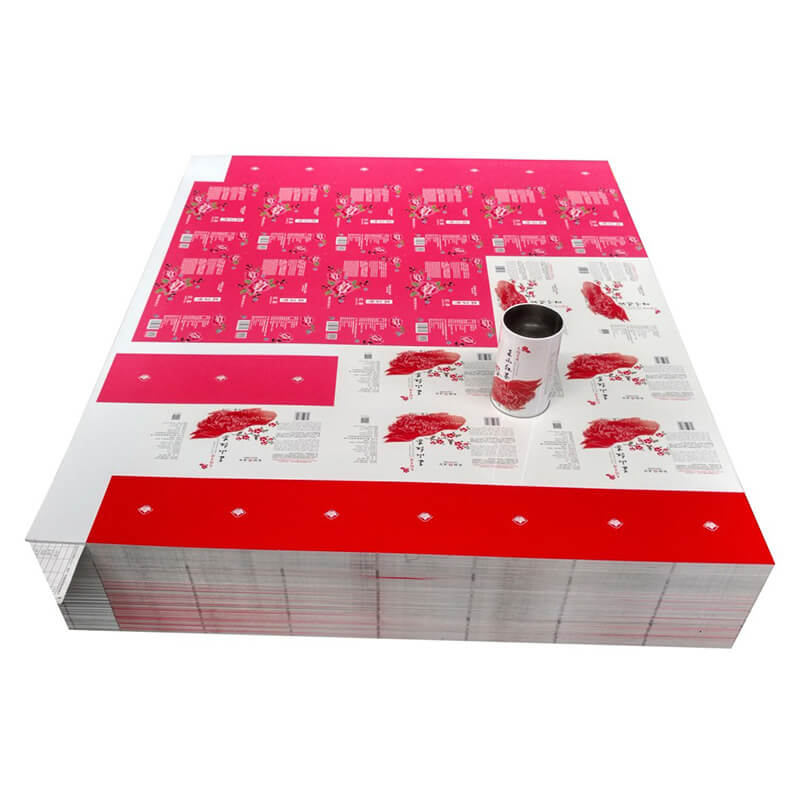
- Define decoration and surface finish — external lithography, transparent lacquer, white coating, gold or matte finishes, and anti-rust edge treatment.
- Verify supplier quality documentation — Mill Test Certificate per EN 10204 3.1, in-house inspection data, and third-party inspection for food-contact orders.
Match Material to Can Construction
Body, Ends, and Closures
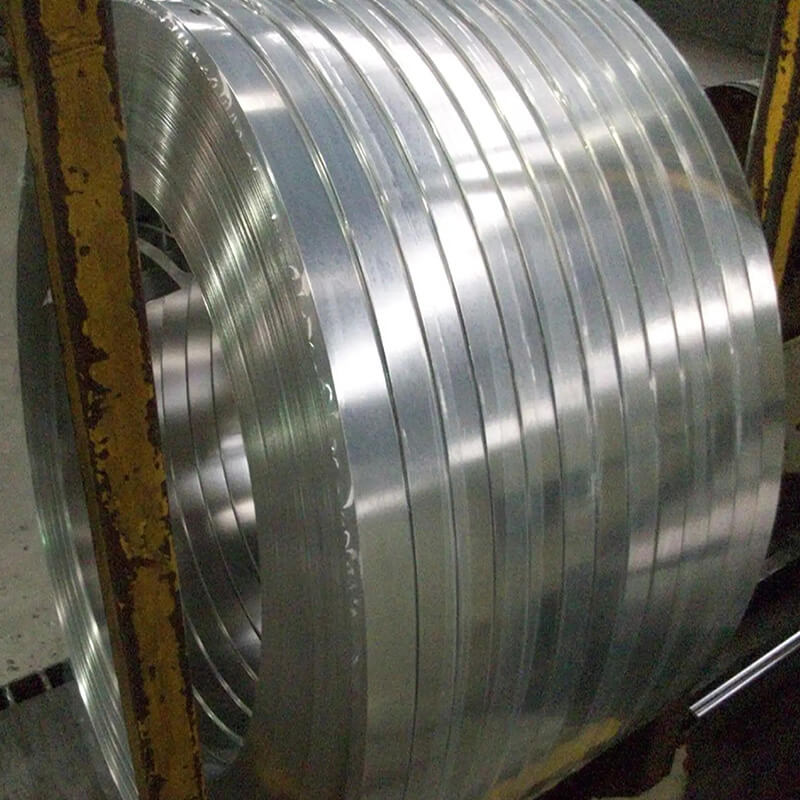
Different can components carry different requirements. Meat cans with two-piece drawn bodies need thin, strong, highly coatable material. DR8 or DR9 tinplate with BPA-free heavy gold lacquer works well here. A documented example uses 0.14–0.16 mm tinplate with differential tin coating and two-pass gold lacquer that survives 121°C for 90 minutes without blistering. Fish and seafood cans, including non-round formats, must resist sulfur staining, retort moisture, and forming stress. Both tinplate and TFS can serve these cans, but the coating must be complete and continuous. Lacquered can ends, twist-off caps, and closures use both materials as precision slit strip. The strip must be joint-free and burr-controlled to avoid press jamming.
Manufacturing Route
The manufacturing route places specific demands on material. Welded three-piece cans and drawn can designs differ in forming, welding, flanging, beading, and seaming requirements. Buyers should confirm specifications with the can manufacturer and tooling team before committing to a substrate. Thin-wall lightweight food can bodies increasingly use double-reduced tinplate at 0.14–0.16 mm. That gauge requires tight thickness tolerance and anti-rust oil on slit edges to protect high-speed can lines.
Select Thickness and Temper Together
Thickness by Performance
Thickness selection balances material savings against mechanical performance. Typical thickness for tinplate and TFS ranges from 0.14 to 0.55 mm. Can dimensions, geometry, handling loads, processing conditions, and manufacturing capability all influence the choice. Buyers should address thickness tolerance and consistency alongside the nominal gauge. Controlled trials are essential before reducing material thickness on an established specification. Those trials should evaluate forming defects, dimensional stability, and finished-can performance.
Temper by Forming Operation
Temper describes the stiffness and forming behavior of the steel. Soft tempers range from T1 through T5. High-strength tempers range from DR7 through DR10. Single-reduced tinplate undergoes one rolling pass to final thickness. Double-reduced tinplate undergoes a second cold-reduction pass, which raises strength at a given gauge. Neither type is universally better. Higher hardness does not automatically mean a better choice. Severe deep drawing may favor softer tempers, while thin-walled high-strength bodies may favor DR8, DR9, or DR10 grades. Buyers should match temper to the forming operation and validate through production trials.
Use Cases: Where Each Substrate Fits Best

Tinplate Applications
Acidic and Retort Foods
Acidic products place real demands on the package. Tomato-based sauces, fruit packs, and pickled vegetables attack exposed steel. Tinplate answers that challenge with a tin layer that protects cut edges and small scratches. Processors also rely on tinplate for high-temperature retort processing. The metal holds structural integrity through the retort cycle, and the can seals well against air, moisture, and light. A BPA-free two-pass heavy gold internal lacquer survives 121°C for 90 minutes with zero blistering and zero blushing. That combination makes tinplate a strong fit for retortable food cans.
Strength-Critical Cans
Some can designs demand mechanical strength above all. Two-piece drawn meat cans need thin, strong, highly coatable material. Fish cans in non-round formats must resist forming stress and retort moisture. Tinplate serves both duties well. Buyers often specify double-reduced grades for thin-walled bodies, and the tin surface supports seaming flexibility. These cans reward a substrate that tolerates severe forming without losing protection.
TFS Applications
Low-Corrosivity Foods
TFS for food cans fits products that place modest demands on the metal. Dry or mildly aggressive foods suit a fully coated TFS can. The chromium oxide surface resists sulfur staining, and lacquered TFS bonds well with organic films. The key condition is complete coverage. TFS carries no tin barrier at exposed edges, so the coating must protect the entire surface. Processors who control that variable gain a reliable package for less corrosive products.
Cost-Sensitive Volumes
High-volume production rewards a substrate without a metallic tin layer. TFS removes that cost component, and the savings matter at scale. The material still requires a full protective coating, so buyers must weigh coating cost against metal savings. TFS fits best where the product is mild and the line runs at high speed with tight process control.
Coatings That Expand Options
Hybrid Applications
Coating innovations continue to widen the application range for tinplate and TFS. Pre-lacquered strip protects the surface after stamping, and it serves can ends, twist-off caps, closures, and drawn components. Laminated PET film and lithography options open broader decorated formats. Eco-friendly food-grade lacquers with SGS REACH and RoHS compliance support canned food packaging across both substrates.
| Coating Innovation | Material | Application Range Expanded |
|---|---|---|
| Pre-lacquered strip | Tinplate and TFS | Can ends, twist-off caps, closures, drawn components |
| BPA-free two-pass heavy gold lacquer | Tinplate | Two-piece meat cans, fish cans, retortable cans |
| Eco-friendly food-grade lacquers | Tinplate and TFS | Food cans, fully coated drawn parts |
| Complete organic coating coverage | TFS | Fully lacquered ends, drawn parts, closures |
Application-Specific Fit
Neither material works alone. The internal lacquer, external decoration, cut-edge exposure, forming severity, and retort temperature all shape final can performance. TFS requires complete organic coating coverage because it lacks tin edge protection. Tinplate relies on high-performance internal lacquers to survive retort, sulfur, salt, and fat exposure. Together these coating strategies let both substrates serve meat cans, fish cans, closures, and drawn components. Buyers should judge retort performance and coating fit against the actual food and process.
Comparison Table: Tinplate vs. TFS
Property Overview
Corrosion and Sulfide Resistance
The two substrates protect food through different mechanisms. Tinplate (ETP) carries a metallic tin layer that shields cut edges and small scratches, and it performs well in acidic and alkaline products under retort. TFS (ECCS) carries a chromium and chromium oxide surface with no tin barrier, so it depends on complete coating coverage. That same oxide surface gives TFS strong resistance to sulfur staining, a real advantage in fish and seafood packs. Tinplate meets sulfur challenges through sulfur-resistant lacquers instead. Each material leads on a different front, and neither wins overall.
Coating Adhesion
Lacquer bonding differs by surface chemistry. TFS offers a clean oxide surface that bonds well with organic films, provided the coating covers the entire surface. Tinplate accepts a broad range of food-contact lacquer chemistries, including phenolic, epoxy, and organosol types. Both surfaces still demand careful curing and forming control, because a film that passes flat-sheet inspection can fail after flanging, beading, or seaming.
Cost Profile
Tinplate carries a metallic tin layer, and tin prices move on their own market cycle. TFS removes that cost component, which matters at high volume. The trade-off sits in the coating system: TFS requires full organic coverage, so buyers must weigh coating cost against metal savings. Coating and processing costs often outweigh the metal price difference on either substrate.
Application Fit Summary
Best-Fit Food Categories
The table below summarizes the comparison in neutral terms.
| Property | Tinplate | TFS |
|---|---|---|
| Corrosion resistance | Tin shields cut edges and small scratches; suits acidic and alkaline foods | No tin barrier; requires complete coating coverage |
| Sulfide-staining resistance | Managed through sulfur-resistant lacquers | Strong oxide-surface resistance to sulfur staining |
| Coating adhesion | Broad lacquer compatibility | Excellent adhesion to organic films |
| Cost profile | Includes metallic tin cost | No tin layer; full coating still required |
| Typical application fit | Can bodies, ends, and drawn parts for meat, fish, vegetables, and beverage cans | Lacquered can ends, fully coated drawn parts, closures, and packaging components |
Volume Considerations
High-volume production rewards a substrate without a metallic tin layer, and TFS fits that profile when the product is mild and the line runs with tight process control. Tinplate fits operations where edge protection, seaming flexibility, or retort performance carry more weight than metal savings. Buyers comparing tinplate vs. TFS should judge each option against the same approved specification, because volume alone does not settle the choice.
Supplier Capability and Sourcing

Evaluating Technical Support
Substrate Expertise
A capable supplier handles both tinplate and TFS food-can projects. It runs coating and slitting lines that process ETP and ECCS substrates in the same factory. Buyers gain flexibility to switch materials across meat-can, fish-can, and component projects without rebuilding the entire supply chain. Strong substrate expertise also shows in the questions a supplier asks. A good partner probes the food matrix, retort cycle, and can format before quoting.
Coating Guidance
Technical support should cover the full packaging system, not just the metal. A reliable supplier defines four things:
- The internal coating system, including coating type, dry film weight, retort test temperature, and a no-blister/no-blush acceptance condition.
- Mechanical and dimensional parameters such as thickness, temper, tin coating weight, width tolerance, and slitting burr limit.
- Decoration and surface finish, covering external lithography, transparent lacquer, white coating, gold or matte finishes, and anti-rust edge treatment.
- Quality documentation, including a Mill Test Certificate per EN 10204 3.1, in-house inspection data, and third-party inspection by SGS, BV, TÜV, or an equivalent body.
Supply Chain Reliability
Availability and Lead Times
Reliable supply starts with realistic lead times and stable batch planning. Buyers should confirm how the supplier handles specification changes and nonconforming material. A clear policy on both protects the can line from surprise delays.
Quality Consistency
Consistency rests on published tolerances. Mills processing both materials typically hold thickness tolerance up to ±0.005 mm, width tolerance of ±0.05 mm, and burr height of 0.05 mm or less where published. These limits apply equally to tinplate and TFS, so they serve as fair comparison criteria across suppliers.
As packaging shifts to lighter gauges (double-reduced tinplate at 0.14–0.16 mm for beverage and food can bodies), ultra-thin material becomes a true supply-chain capability test: it must be slit without excessive burr or edge damage.
Samples, Trials, and RFQ
Traceability and Inspection Records
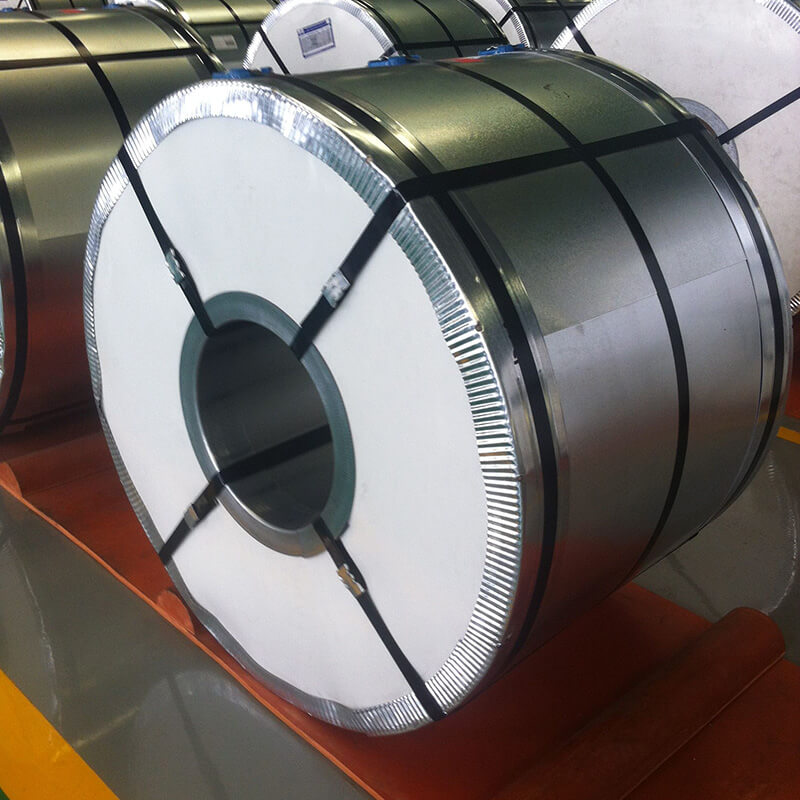
Buyers should request a sample material certificate and relevant inspection results. They should confirm batch identification and the link between delivered material and its documentation. Inspection should also cover surface defects, cleanliness, sheet or coil dimensions, flatness, edge condition, coil weight, internal diameter, and packaging and storage requirements.
Production Trial and Approval
A production trial on the intended equipment comes before larger orders. The trial records forming, welding, coating, and finished-can results. Both parties then approve a documented specification. The RFQ below captures what buyers should supply.
| Information to provide | Details |
|---|---|
| Food application | Food type and relevant characteristics |
| Can construction | Can type, dimensions, and component |
| Processing conditions | Filling and thermal processing information |
| Material specification | Standard, grade, thickness, temper, and tolerances |
| Tin coating | Required coating weight and side identification |
| Lacquer and printing | Internal and external coating and decoration requirements |
| Supply format | Sheet dimensions or coil requirements |
| Validation | Samples, certificates, and trial requirements |
| Commercial details | Quantity, destination, delivery terms, and schedule |
No universal best substrate exists. The right choice matches the metal to the meal and the can line. Tinplate excels where corrosion resistance, retort processing, and structural strength matter. TFS offers strong sulfur-staining resistance and a cost-effective fit for less demanding foods. The selection sequence stays consistent: define the application, select material and coating, verify quality, then validate performance through trials and packaging compatibility testing. This approach mirrors how to choose tinplate for food cans: a practical selection guide. Buyers should compare quotations against the same approved specification. They should request samples or specifications to move forward with confidence.
FAQ
What thickness of tinplate suits food cans?
Thickness depends on can design, component, material strength, and the manufacturing process. Typical tinplate and TFS stock ranges from 0.14 to 0.55 mm. Thin-walled bodies increasingly use double-reduced tinplate at 0.14–0.16 mm. Buyers should validate any gauge change through controlled trials before reducing material thickness.
Does a higher tin coating weight always improve protection?
No. Coating weight is one part of the packaging system. Food compatibility, lacquer choice, and processing conditions matter just as much. Increasing tin weight alone does not resolve every compatibility issue. Buyers should specify coating weight per side and confirm which side carries the heavier layer on differential material.
Can the same tinplate serve can bodies and ends?
Not necessarily. Bodies, ends, and easy-open components carry different mechanical and forming requirements. A welded body demands formability and welding performance. An end demands strength and seaming quality. Buyers should confirm each component’s specification with the can manufacturer and tooling team.
How do buyers confirm a substrate suits their food packaging?
Buyers review documentation, inspect material, run a production trial, and complete application-specific pack testing. A generic “food-grade” claim does not prove suitability for every canned food. Testing with the actual food and process remains the reliable path to approval.
Does TFS need an internal coating?
Yes. TFS carries no tin barrier, so bare edges offer little protection. A complete organic coating becomes mandatory. Processors select TFS for aggressive or acidic foods only when the entire surface is lacquer-protected. Buyers should verify film integrity after forming, flanging, and seaming.
Which temper should buyers choose?
Temper must match the forming operation. Soft tempers run from T1 through T5. High-strength tempers run from DR7 through DR10. Severe deep drawing may favor softer grades, while thin-walled high-strength bodies may favor DR8, DR9, or DR10. Higher hardness does not automatically mean a better choice.
What documentation should accompany a food-can order?
A complete package includes a mill test certificate per EN 10204 3.1, in-house inspection data, and third-party inspection by bodies such as SGS, BV, or TÜV. Coated TFS orders should include SGS REACH and RoHS reports. Batch identification must link delivered material to its records.
Which tolerances apply to both substrates?
Mills processing both materials typically hold thickness tolerance up to ±0.005 mm, width tolerance of ±0.05 mm, and burr height of 0.05 mm or less where published. These limits apply equally to tinplate and TFS, so buyers can compare suppliers against the same criteria.