Skip to content

You need packaging that protects infants and satisfies regulators. How to Choose Tinplate for Baby Food and Powder Packaging that is safe, compliant, protective, and cost-effective? The answer starts with four priorities: food-grade safety, corrosion resistance, coating compatibility, and regulatory compliance.
A step-by-step material selection process protects infant health, satisfies regulators, and controls costs. Tinplate remains a proven choice for milk powder cans. It balances production usability, packaging performance, and repeatability. You will learn practical criteria that guide each decision. These criteria help you select the right tinplate grade for your product.
Key Takeaways
- Choose food-grade tinplate. Confirm pure base steel. Verify complete tin coating. These steps protect infant health.
- Prefer seamless two-piece cans for infant formula. This design lowers contamination risk. It removes seam corrosion risk.
- Demand low-migration BPA-free lacquers. Require migration test reports. Confirm coating adhesion after processing. This barrier prevents harmful substances.
- Match tin coating weight to product chemistry. Powder needs strong moisture barriers. Liquid purees require higher corrosion resistance.
- Confirm steel thickness. Confirm temper through forming trials. Test actual cans on your production line. Validate performance before full order.
- Require full compliance documents from each supplier. Keep declarations. Keep test reports. Keep batch traceability records. These files support audits.
- Evaluate total cost of ownership. Include production yield. Include shelf life performance. Never choose a grade on price alone.
How to Choose Tinplate for Baby Food and Powder Packaging
This section gives you a practical selection framework. Tinplate is a preferred material for milk powder cans. It balances production usability, packaging performance, and repeatability. You can apply the same framework to any infant nutrition product.
Choose Tinplate for Its Production and Performance Benefits
Tinplate offers clear advantages on high-speed canmaking lines. You should evaluate these benefits before you commit to a supplier.
Select food-safe coated steel for reliable canmaking
You need food-safe coated steel that runs smoothly through your production line. The tin coating protects the base steel and provides a stable surface for lacquers. A uniform coating helps your canmaking equipment form, seal, and finish each can without defects. You should confirm that the coating weight suits your forming process. Too little coating can expose the base steel during drawing or bending. Too much coating can flake or crack under stress. Ask your supplier for coating adhesion data. This data shows how well the tin layer bonds to the steel during forming.
Confirm repeatable performance across production batches
Repeatability matters for infant formula packaging. Every batch of tinplate must behave the same way on your line. You should request batch-to-batch test data for thickness, temper, and coating weight. Small variations in these properties can cause jams, leaks, or inconsistent seams. A reliable supplier documents each batch and flags any deviation. You can then adjust your process before problems reach the filling line. This step protects your production schedule and your product quality.
Consider Two-Piece Cans for Infant Formula
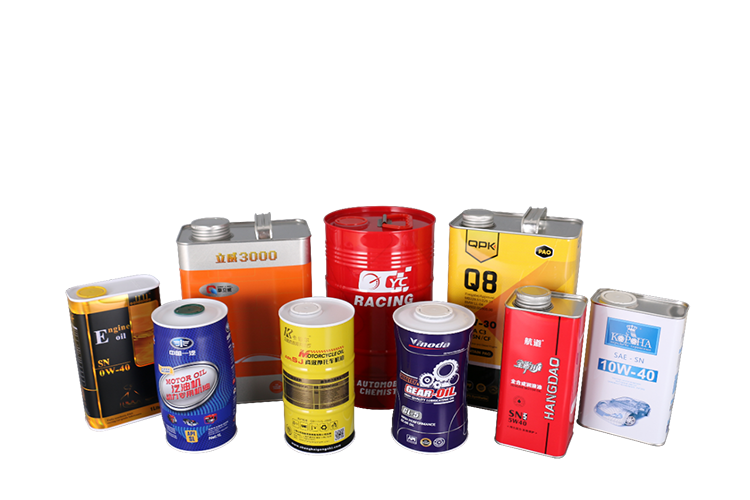
Two-piece cans with a seamless body are the preferred choice for infant milk powder packaging. You should understand why this design reduces risk.
Evaluate the seamless body design for lower contamination risk
A seamless body eliminates the side seam found in three-piece cans. That seam is a potential entry point for contaminants and moisture. A seamless design also removes the risk of seam corrosion during long storage. For infant formula, every reduction in contamination risk matters. You should prioritize a can body with no side seam when your product demands the highest hygiene standard.
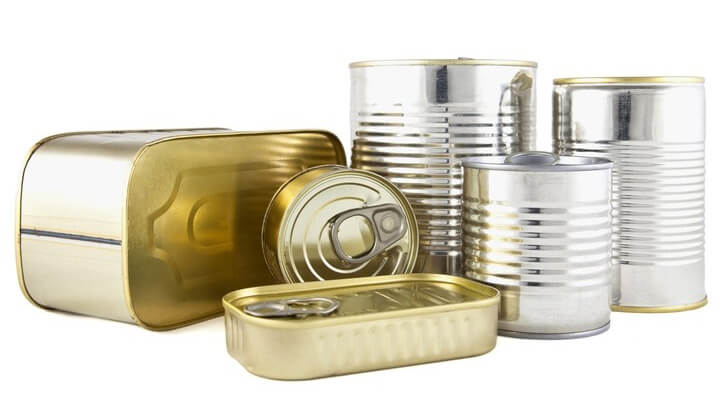
Compare two-piece and three-piece can construction
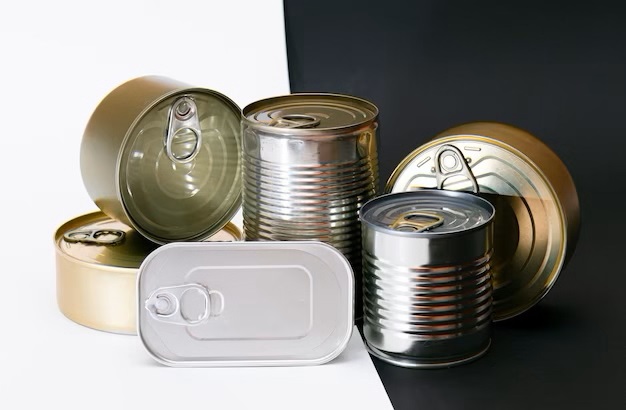
Two-piece cans use a drawn and ironed body with one end. Three-piece cans use a welded side seam and two ends. The two-piece design offers fewer joints and a more uniform interior. The three-piece design may cost less for small production runs. You should weigh these trade-offs against your hygiene requirements and volume. For infant formula, the seamless option usually justifies the higher tooling cost.
Balance Safety, Convenience, and Sustainability
Baby food packaging must balance safety, convenience, and sustainability. You serve two audiences: parents and your brand.
Use packaging that protects the product and reassures parents
Parents need confidence that the package keeps the product safe. A sturdy tinplate can resists dents and protects the powder from moisture and oxygen. Clear labeling and a secure lid add convenience. You should choose a package that opens easily and reseals tightly. These features reduce waste and support daily feeding routines.
Align material choice with brand convenience and sustainability goals
Your brand may target recyclability or reduced material use. Tinplate is infinitely recyclable without loss of quality. You can select a lighter gauge to cut material use while maintaining strength. You should confirm that any reduction in thickness still meets your barrier and shelf life targets. This balance supports both your sustainability claims and your product protection needs.
Prioritize Food-Grade Safety and Non-Toxicity
Every surface that touches infant nutrition must be food-grade. This rule has no exceptions. Tinplate for baby food and powder packaging must meet the highest safety standards. You cannot treat this as a minor specification detail. The material must be non-toxic from the base steel to the internal coating. Your selection process should start here before you consider cost, forming behavior, or shelf life.
Confirm Food-Contact-Safe Tinplate Grades
You need tinplate grades specifically approved for direct food contact. Not every tinplate on the market meets these requirements. You have to verify two layers: the base steel and the tin coating. Each layer must be free of substances that could harm an infant.
Verify base steel purity and tin coating quality
Base steel purity determines the safety baseline. The steel must contain no harmful impurities. You should request a full material analysis from your supplier. This analysis confirms the steel composition meets food-contact requirements. The tin coating must also be uniform and continuous. Any bare spot can expose the steel to the product or to the atmosphere. This exposure can lead to corrosion and metal migration. You should ask for coating weight specifications and adhesion test data. These documents prove the tin layer will hold during can forming and filling.
The quality of your tinplate depends on this combination. Clean steel with a complete tin layer protects the infant formula. Poor coating quality can compromise your entire packaging system. You should reject any batch with visible bare edges or inconsistent coating thickness.
Choose grades with proven use in infant food packaging
Do not experiment with new or untested grades. Choose tinplate grades with a documented track record in infant nutrition. Established grades have undergone years of regulatory review and real-world use. They have proven performance in milk powder cans and liquid food containers. You should ask your supplier for reference products and case studies. This evidence shows you how the grade performs in similar applications.
Grades with proven infant food use also simplify your compliance process. Regulators recognize these materials as safe. Your internal quality team will find it easier to approve them. You can avoid lengthy validation cycles and move directly to production trials.
Avoid Harmful Elements and Migration Risks
Food-grade tinplate must not transfer harmful substances into baby food. You have to set strict limits for restricted materials. You also have to control what happens when the product touches the lacquer over time. Migration is the key risk. Infant formula sits inside the can for months. Any substance that leaches into the powder ends up in the baby’s stomach.
Set limits for heavy metals and restricted substances
You should create a restricted substance list for your tinplate suppliers. This list must cover heavy metals and other harmful elements. Set strict acceptance criteria for each material. Your supplier should provide test results that prove compliance with these limits.
International standards guide these requirements. The FDA and EFSA establish migration limits for food-contact materials. The EU Framework Regulation (EC) No 1935/2004 sets the overall safety baseline. ISO 22000 certifications add another layer of food safety management. You should require suppliers to meet all applicable standards. This protects you from regulatory failures and product recalls.
Require low-migration lacquers and coatings
The internal lacquer is your last barrier between the product and the metal. This coating must be low-migration. It must tolerate the conditions inside the can during storage and transport. Food-grade lacquers meet strict international safety standards for direct food contact. They are manufactured from FDA-compliant materials.
You should select lacquer systems based on your product type. Epoxy-phenolic lacquers resist acidic foods well. Oleoresinous lacquers suit products like meats. Infant formula requires a lacquer tailored to its specific chemistry and storage life. Your supplier must prove the lacquer does not leach harmful substances under normal conditions. This includes exposure to heat, pressure, or acid during canning. Low-migration coatings protect infants and build consumer trust in your brand.
Verify Odor and Taste Neutrality
Infants cannot tell you if something tastes wrong. They simply refuse the bottle or the meal. Your packaging must never change the sensory quality of the food. Tinplate and its lacquer must be completely neutral. You have to verify this before you approve any material.
Run sensory checks with packaged baby food and powder
You should conduct sensory checks with the actual packaged product. Store the filled cans under normal conditions for a representative period. Then compare the product against a control sample stored in glass or another known-neutral container.
Testing protocols include several key evaluations:
- Migration tests to check for substance leaching into food
- Organoleptic evaluations to confirm no odor or taste transfer
- Chemical resistance assessments to verify lacquer performance under heat and pressure
These evaluations prove the package does not compromise the product. A tinplate can with the wrong lacquer can impart a metallic taste. This defect is unacceptable for infant food.
Document results during material qualification
You must document every sensory test during material qualification. Record the test dates, conditions, and results in a formal report. This documentation supports your regulatory compliance. It also provides traceability if a consumer complaint arises. Your quality team should review these records for each new tinplate batch.
A complete sensory file proves your material selection process is rigorous. It shows regulators and customers that you take infant safety seriously. You should also ask your supplier for their own organoleptic test data. This gives you two independent sources of confirmation. When you document your results properly, you can defend your material choice with confidence.
Match Tinplate Specifications to Product Needs
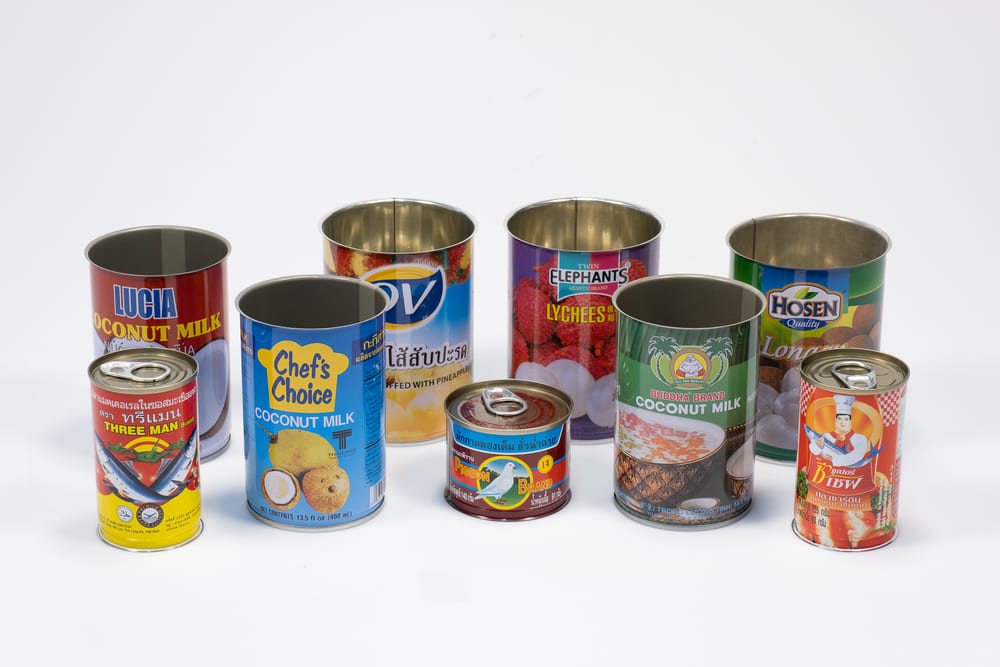
Specifications control formability, protection, and compliance.
Select Base Steel Thickness and Temper
Align temper with can strength and forming behavior
A softer temper forms easily. It may lack the stiffness needed for dent resistance. A harder temper provides stronger structural performance. It can fracture during deep drawing. High-speed lines favor a harder temper to resist distortion during seaming.
A two-piece drawn can requires steel that stretches without thinning excessively. Test the temper with your specific tooling. The test reveals whether the steel cracks, wrinkles, or springs back. Validate through a full forming trial before production.
Match thickness to product weight and shelf life needs
A heavier gauge protects the powder from crushing. It also reduces oxygen ingress. A lighter gauge lowers material weight and cost. It can compromise dent resistance. Estimate the stacking loads during distribution. Infant formula cans sit in tall pallets for months. The bottom tiers bear the full stack.
Overly thin material can cause distortion. Many suppliers offer multiple gauges within the same grade. Request samples and run compression tests to select the right one.
Choose Tin Coating Weight and Type
Match coating weight to corrosion risk and product type
Milk powder has low moisture and moderate acidity. It requires a lower coating weight than liquid baby food. Liquid products and acidic purees need higher coating weights to prevent iron migration. Examine your product’s chemistry first.
Also consider storage conditions. High humidity or temperature swings increase corrosion risk. A slightly higher coating weight provides a safety margin during transport and storage.
Compare standard and differential tin coatings
A standard coating applies the same amount of tin to both surfaces. A differential coating applies more tin to one side. The internal surface often needs greater protection. The product contacts it directly. The external surface mainly needs corrosion resistance for shelf appeal.
Differential coatings reduce cost without weakening internal protection. You can request one when external exposure risk is low.
Pick Surface Finish and Internal Lacquers
Select BPA-free lacquer systems for low migration
Regulators scrutinize bisphenol A in food-contact materials. Many brands therefore require BPA-free internal lacquers. These systems form a barrier between the product and the metal. Confirm your lacquer is FDA-compliant or EU-approved.
Require migration test data from the supplier. The data proves the lacquer does not release harmful substances into infant formula. A BPA-free claim alone is insufficient. You need documented results.
Match surface finish to printing and canmaking needs
Surface finish controls ink adhesion and can forming. A matte finish provides better adhesion for printed labels. A bright finish looks smoother. It may need extra treatment. Match the finish to your branding and canmaking needs.
Ask your printer for a recommendation. Confirm with your canmaker that the finish survives forming without scratching. Communicate before finalizing the specification.
Confirm Food-Contact Compliance and Documentation
Regulatory compliance is mandatory for baby food packaging. Verify each tinplate grade against legal food-contact standards before approval. This step protects your brand and the infants who consume the product. Verbal assurances are not enough. You need documented evidence.
Follow FDA and EU Regulatory Requirements
Your target markets determine which regulations apply. The U.S. and the European Union provide the two most recognized food-contact frameworks. Identify the applicable rules early in your material selection process.
Identify the applicable food-contact regulations for tinplate
The U.S. Food and Drug Administration (FDA) regulates food-contact materials under Title 21 of the Code of Federal Regulations (21 CFR). The framework covers the base steel, the tin coating, and the internal lacquer. The EU Framework Regulation (EC) No 1935/2004 sets the overall safety baseline.
Many suppliers certify to both standards. Confirm which framework applies to your product’s destination. Dual-certified materials simplify your process and reduce compliance risk.
Confirm migration limits and approved coating substances
Migration limits define how much of a substance can transfer from the package into the food. Review these limits for heavy metals and restricted substances. The FDA and EU set different thresholds for different materials. Apply the specific values for your product and market.
You also must verify that each coating substance appears on the approved list. An unapproved substance can fail your compliance review even when migration tests pass. Confirm that the lacquer system uses only approved substances.
Request Declarations of Compliance and Test Reports
Documentation forms the core of regulatory compliance. Request specific evidence from every supplier. The table below summarizes the documents you need:
| Required supplier evidence | What you should request | Why it matters |
|---|---|---|
| Declarations of compliance | LoG, DoC, certification to FDA 21 CFR or EU Framework Regulation (EC) No 1935/2004 | Confirms legal compliance for food contact |
| Migration test reports | Reports covering migration limits and heavy metals | Verifies no harmful substances leach into food |
| Coating adhesion data | Sample sheets for adhesion checks and retort simulation | Ensures coating integrity during sterilization |
| Batch traceability | Batch testing reports and third-party certification | Reduces recall risk and supports safety |
Ask suppliers for migration and coating adhesion data
Do not accept a supplier’s summary claim of compliance. Request the underlying data for each batch. Migration test reports must cover your specific product type and storage conditions. Coating adhesion data should include retort simulation for sterilized baby food.
These tests prove whether the lacquer remains intact through processing. Adhesion failure can expose the metal, creating migration risks. Verify that the lacquer type matches your product’s chemical profile.
Keep full documentation for audits and traceability
Store every document in a central system for your quality team. This includes declarations, test reports, and batch records. Quick access helps you respond to auditor questions without delay.
Traceability records protect you during a recall. You can identify affected batches and contain the issue. Full documentation shows a rigorous selection process and gives your brand a defense if a regulator challenges your material choice.
Evaluate Product Compatibility and Barrier Needs
Your tinplate choice must match the specific product inside the can. Powdered formula and liquid purees place different demands on the package. You should evaluate these demands before you finalize any material specification.
Compare Powder vs. Liquid Baby Food Packaging
Powder and liquid products require different barrier strategies. You cannot apply one tinplate specification to both categories.
Use strong moisture and oxygen barriers for powder
Powdered infant formula is highly hygroscopic. It absorbs moisture from the air quickly. That moisture causes caking, clumping, and nutrient degradation. You need a tinplate can with an airtight seal and a robust internal lacquer. The lacquer prevents direct contact between the powder and the metal. A tight double seam on the can end blocks moisture ingress. You should also verify that the can’s oxygen barrier meets your shelf life target. Oxygen accelerates vitamin loss and rancidity in fat-containing powders.
Use higher corrosion resistance for liquid or acidic food
Liquid baby food and acidic purees attack metal surfaces more aggressively. Fruit-based products contain organic acids that accelerate corrosion. You need a higher tin coating weight and a chemically resistant lacquer. Epoxy-phenolic lacquers perform well against acidic products. You should confirm the lacquer withstands the sterilization process without breaking down. A compromised lacquer exposes the base steel to the product. That exposure leads to iron migration and metallic taste.
Assess Acidity, Moisture, and Oxygen Sensitivity
Product chemistry drives your material selection. You must define these parameters before you choose a tinplate grade.
Define product pH and storage conditions before selection
Measure your product’s pH and record it. A low pH indicates higher acidity and greater corrosion risk. You should also document your storage conditions. High temperature and humidity accelerate chemical reactions inside the can. Tropical markets demand more protective packaging than temperate ones. Define these variables early. They narrow your tinplate options significantly.
Match tinplate and lacquer to chemical reactivity
Different products react differently with metal surfaces. You should select a lacquer system that resists your product’s specific chemistry. A lacquer that works for milk powder may fail with tomato puree. Ask your supplier for chemical resistance data. This data shows how the lacquer performs against acids, salts, and fats. You should also confirm the tin coating weight provides adequate protection. A heavier coating offers more sacrificial protection if the lacquer develops a pinhole.
Match Shelf Life Expectations with Barrier Protection
Shelf life targets determine how much barrier protection you need. A longer shelf life requires a more robust packaging system.
Set shelf life targets before finalizing tinplate grade
Define your required shelf life in months. Infant formula typically needs a long shelf life to support distribution and retail cycles. A longer target demands thicker steel, heavier tin coating, and a more protective lacquer. You should communicate this target to your supplier. They can then recommend a grade that meets your requirement without over-engineering the package.
Validate barrier performance through simulated storage tests
You must test the filled can under accelerated conditions. Elevated temperature and humidity simulate months of real storage in weeks. These tests reveal whether moisture or oxygen penetrates the package. They also show whether the lacquer degrades over time. You should test the actual product in the actual can. This validation step confirms your tinplate selection meets the shelf life target. Document every result for your compliance file.
Evaluate Supplier Quality and Traceability

Material specification alone does not guarantee safe packaging. Supplier quality decides whether every batch of tinplate truly meets your requirements. You cannot rely on spot checks and verbal promises. You need consistent performance and complete traceability.
Review Supplier Certifications and Audits
Verify ISO and food packaging management certifications
Start with documented management systems. You need a supplier certified to ISO 9001 for quality management. You also need certification to ISO 22000 for food safety management. These certificates show controlled, documented processes. Ask for current certificates. Verify the certifying body and scope. The scope must include tinplate for food-contact applications.
Without these certifications, you face compliance risk. You would audit the entire system yourself. That task takes time and resources. A certified supplier gives you a starting point. Focus your own audit on infant nutrition requirements.
Check audit history and production consistency
Certifications do not guarantee performance. Review audit history. Ask about non-conformances found in the last two audits. Ask how the supplier corrected them. A supplier who discusses problems openly usually has better processes. A history of repeated failures signals a supplier who cannot control their process.
Production consistency requires statistical evidence. Request process capability data for thickness, tin coating weight, and temper. This data shows how tightly the supplier controls each key parameter. Analyze trends across several production batches. A stable trend reduces your risk of line stoppages.
Confirm Testing Procedures and Batch Traceability
Require documented testing for each tinplate batch
Every batch destined for baby food must include test records. Require a certificate of analysis for each delivery. The certificate must list measured values for key properties: thickness, temper, tin coating weight, and surface finish. Include migration test results for the lacquer system. Review each report before you release a batch to production.
Do not accept generic catalog data. Batch-specific results connect the material you receive to actual performance. When a batch fails incoming inspection, you trace the problem to its source.
Ensure material origin and lot records are traceable
Batch traceability begins with the steel coil. Know the mill, coil number, and production date. Require the supplier to maintain this information for every lot. Store these records in your own system as well.
During a recall, this data becomes essential. You identify exactly which tinplate lots went into which finished cans. Quarantine affected stock quickly. Complete traceability also supports regulatory documentation. Proper lot records prove supply chain control and reduce liability.
Good traceability is non-negotiable in infant food packaging. Choose a supplier who treats it as a core requirement.
Balance Cost and Performance
Unit price is a tempting shortcut. It rarely reflects what you actually pay. A cheaper tinplate grade can raise your total cost through poor yield, shorter shelf life, and higher rejection rates. You should evaluate every candidate grade against the full packaging lifecycle.

Use Total Cost of Ownership in Material Selection
Factor in production yield, shelf life, and rejection risk
Production yield measures how many good cans come off your line. A grade that forms poorly creates waste at every stage. You lose material, machine time, and labor. Calculate yield as good units divided by total units, then multiply by 100. A small yield gap compounds across millions of cans.
Shelf life carries direct financial weight. A grade that fails your barrier target forces early markdowns or recalls. Rejection risk adds another layer. A batch with inconsistent coating weight may pass incoming inspection yet fail at the filling line. You should track rejection costs for each grade you trial. These numbers reveal the true cost difference between a premium grade and a budget alternative.
Compare tinplate grades on total lifecycle packaging cost
Build a comparison that goes beyond the invoice. Include material cost, line efficiency, scrap rate, shelf life performance, and compliance testing. A higher-priced grade with stable forming behavior often costs less per finished can. A lower-priced grade with variable temper may cost more after you add rework and downtime.
You should also weigh compliance risk. A grade with incomplete migration data can delay your launch or trigger a recall. That exposure dwarfs any unit price saving. Compare grades on a per-thousand-finished-cans basis. This approach shows you which option delivers the lowest total cost.
Run Pilot Tests Before Final Tinplate Selection
Test selected tinplate with the actual baby food or powder
Laboratory data cannot replace real product testing. You must fill actual cans with your baby food or powder. Run the pilot on your production line at representative speeds. This step reveals forming defects, seam issues, and coating failures that bench tests miss.
Store the filled cans under conditions that match your distribution chain. Monitor moisture ingress, oxygen levels, and sensory quality over time. You should also check for lacquer adhesion after retort or sterilization. These tests confirm the tinplate performs with your specific product chemistry.
Validate performance, compliance, and production quality
A pilot test serves three purposes. First, it validates barrier performance against your shelf life target. Second, it confirms the material meets FDA or EU migration limits with your actual product. Third, it proves your line can run the grade at commercial speed without excessive rejects.
Document every result in your compliance file. Include forming data, seam measurements, and sensory evaluations. If the pilot reveals a problem, adjust the specification before you commit to a full order. This discipline protects your budget and your brand reputation.
Never approve a tinplate grade on price alone. A pilot test costs far less than a product recall.
You now have a clear path for how to choose tinplate for baby food and powder packaging. Start with food-grade safety and non-toxicity. Move through specifications and compliance. Then evaluate product compatibility, supplier quality, and total cost.
Tinplate remains a reliable and preferred material for infant formula and purees when you select it carefully. Safety and compliance are non-negotiable. Never sacrifice infant health for cost savings.
Take action now. Request full compliance documentation from your supplier. Assess their traceability systems. Run pilot tests with your actual product before full-scale production. These steps protect infants and your brand.
FAQ
What is the difference between two-piece and three-piece cans for infant formula?
A two-piece can has a seamless body and one end. A three-piece can uses a welded side seam and two ends. The seamless design lowers contamination risk and removes seam corrosion. Infant formula packaging usually favors the two-piece option despite higher tooling costs.
How do I know if a tinplate grade is safe for infant food contact?
You verify the base steel purity and tin coating quality through a full material analysis. You also confirm the grade has documented use in infant nutrition. Request migration test reports and declarations of compliance with FDA 21 CFR or EU Framework Regulation (EC) No 1935/2004.
What documents should I request from a tinplate supplier?
Ask for declarations of compliance, migration test reports, coating adhesion data, and batch traceability records. You also need certificates for ISO 9001 and ISO 22000. These documents prove legal compliance, verify safety, and support audits or recalls.
Why does BPA-free lacquer matter for baby food cans?
Bisphenol A draws regulatory scrutiny in food-contact materials. Many brands now require BPA-free internal lacquers. These coatings form a barrier between the product and the metal. You still need migration test data to prove the lacquer releases no harmful substances into infant formula.
How do I test whether tinplate affects the taste of baby food?
Run sensory checks with the actual packaged product. Store filled cans under normal conditions for a representative period. Compare the product against a control sample stored in glass. Document every result during material qualification for your compliance file.
What tin coating weight works best for milk powder versus liquid purees?
Milk powder has low moisture and moderate acidity. It needs a lower coating weight. Liquid and acidic purees require higher coating weights to prevent iron migration. Define your product pH and storage conditions before you select a grade.
Should I choose a standard or differential tin coating?
A standard coating applies equal tin to both surfaces. A differential coating applies more tin to the internal surface. The product contacts that side directly. Differential coatings reduce cost when external exposure risk is low. Confirm internal protection still meets your barrier target.
How do I compare tinplate grades on cost?
Build a total cost of ownership comparison. Include material cost, production yield, scrap rate, shelf life performance, and compliance testing. A higher-priced grade with stable forming behavior often costs less per finished can than a cheaper alternative with variable temper.