Skip to content

Production downtime and scrap eat into your profits every single day. Many factors cause defects, yet the raw material often hides as the overlooked root cause. In Aerosol Can Production: Common Material Problems and Solutions, tinplate and aluminum both bring unique challenges to aerosol can manufacturing. Cracking, flange fractures, welding instability, deformation, coating failures, and corrosion rank among the most frequent material defects. This guide offers a clear framework for identifying, troubleshooting, and solving these issues. Material selection is the first step in aerosol can production, and it sets the stage for every process that follows. Whether you work in manufacturing, quality control, or procurement, understanding material behavior helps you reduce waste and protect product integrity.
Key Takeaways
- Choose tinplate for strength and cost savings in three-piece cans.
- Choose aluminum for corrosion resistance in one-piece cans.
- Match material grade to product chemistry to prevent leaks.
- Prevent body wall cracks by adjusting tooling and using softer materials.
- Stop flange cracks by optimizing tool profiles and selecting ductile edges.
- Ensure clean surfaces and balanced parameters for strong welds.
- Prevent coating failure with strict pre-treatment and compatible coatings.
- Test materials before production to reduce scrap and downtime.
Material Selection and Its Role in Aerosol Can Production
Material selection determines the success of every downstream operation. The choice between tinplate and aluminum shapes forming behavior, welding performance, and corrosion resistance. Each material brings distinct advantages and limitations. Understanding these differences helps manufacturers avoid costly defects before production begins.
Choosing Between Tinplate and Aluminum Alloys
Key Properties of Tinplate for Three-Piece Cans
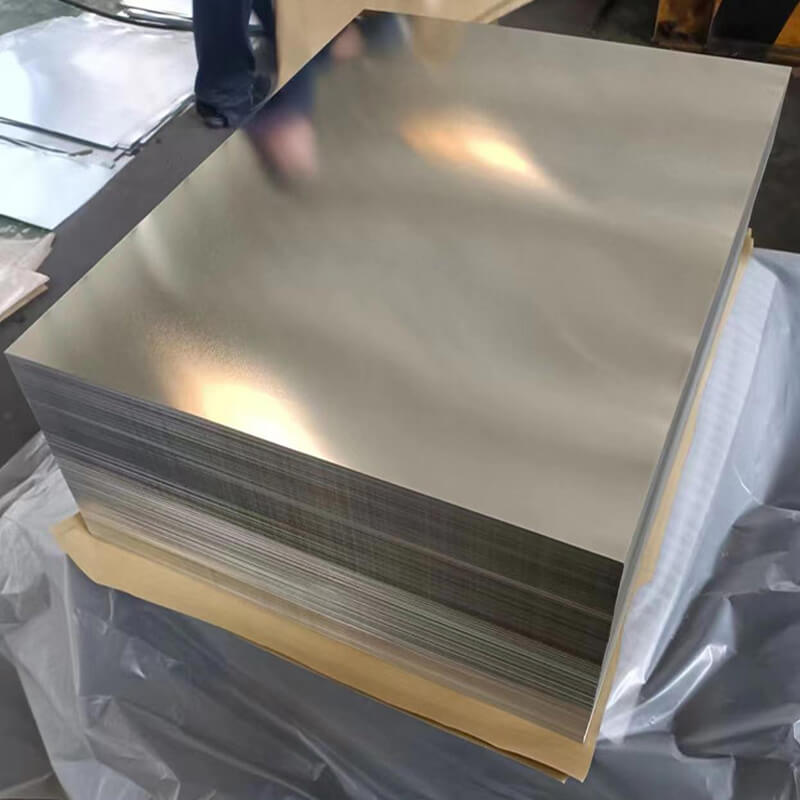
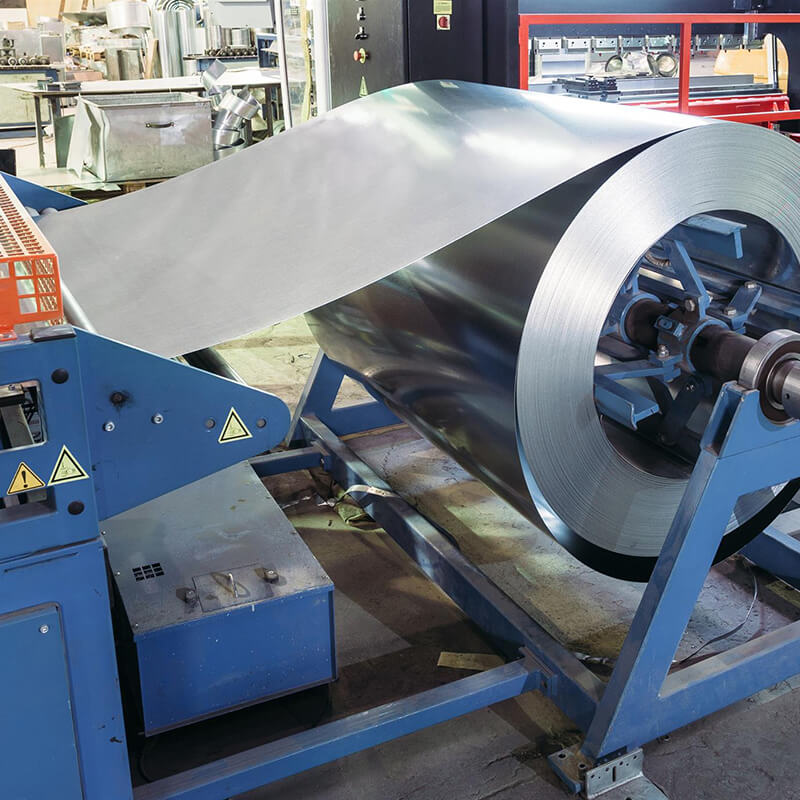
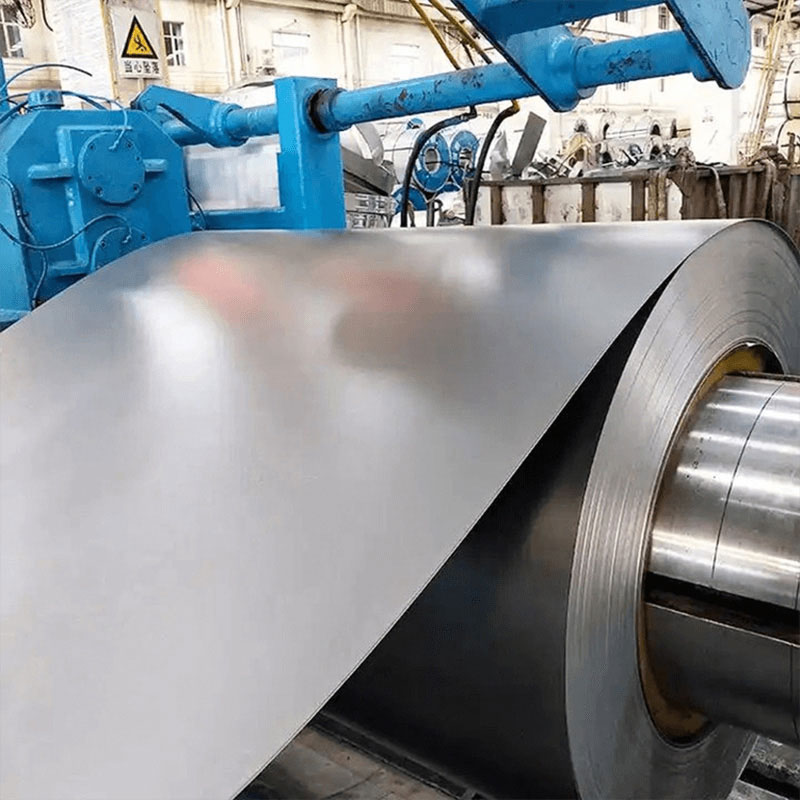
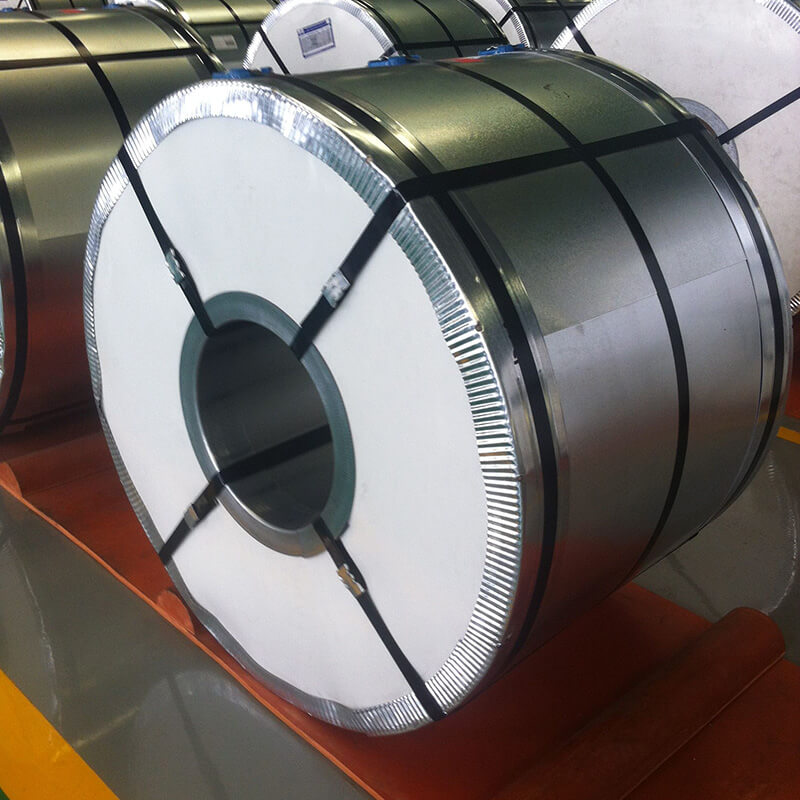
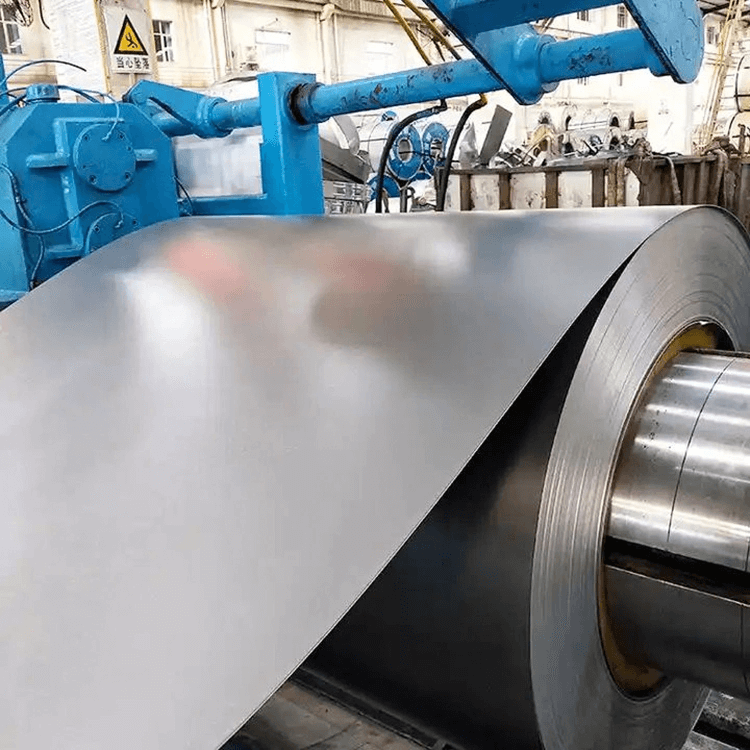
Tinplated steel aerosol containers offer exceptional strength and dimensional stability. The steel core provides structural rigidity. The tin coating protects against corrosion and enables clean welding seams. Three-piece can construction relies on this material’s ability to withstand high internal pressures without deformation.
Tinplate also delivers cost advantages for high-volume production. Steel costs less than aluminum per unit volume. The material handles aggressive forming operations well. Manufacturers can achieve deep draws and tight radius bends without sacrificing integrity. The tin layer acts as a lubricant during forming, reducing tool wear and surface defects.
Aluminum Alloys (1070, 1050, 3003) and Their Corrosion Resistance
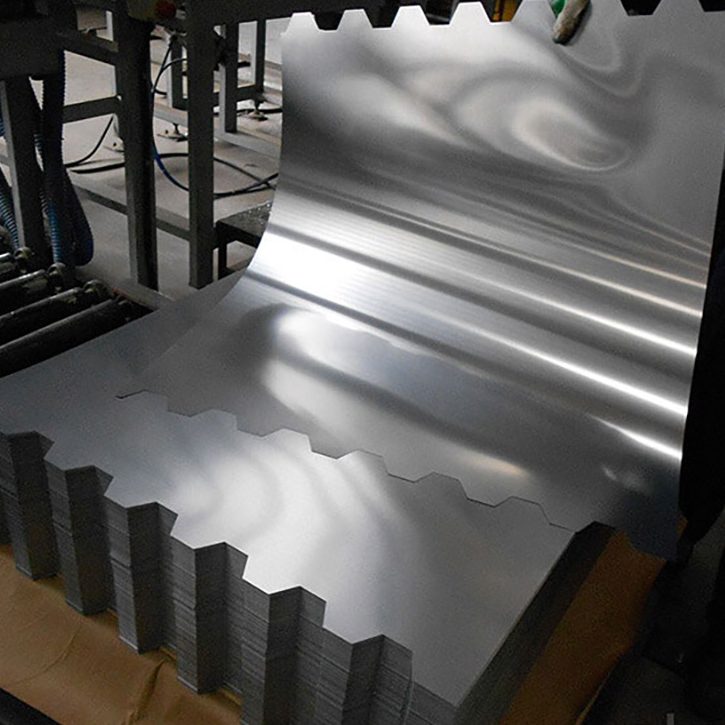
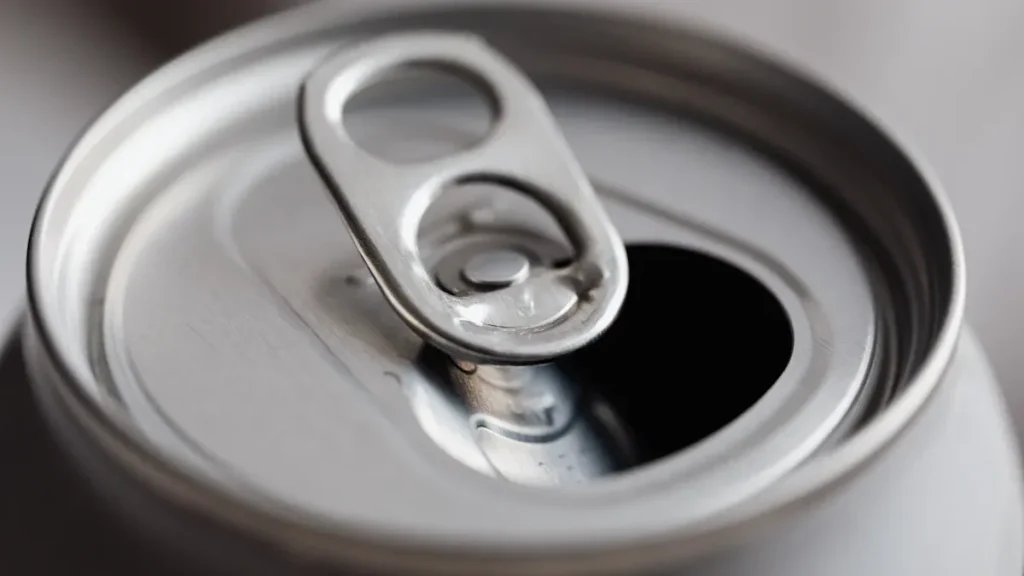
Aluminum aerosol containers use alloys such as 1070, 1050, and 3003. These grades offer excellent corrosion resistance. The natural oxide layer on aluminum surfaces provides a protective barrier against many chemicals. This property makes aluminum ideal for products with aggressive formulations.
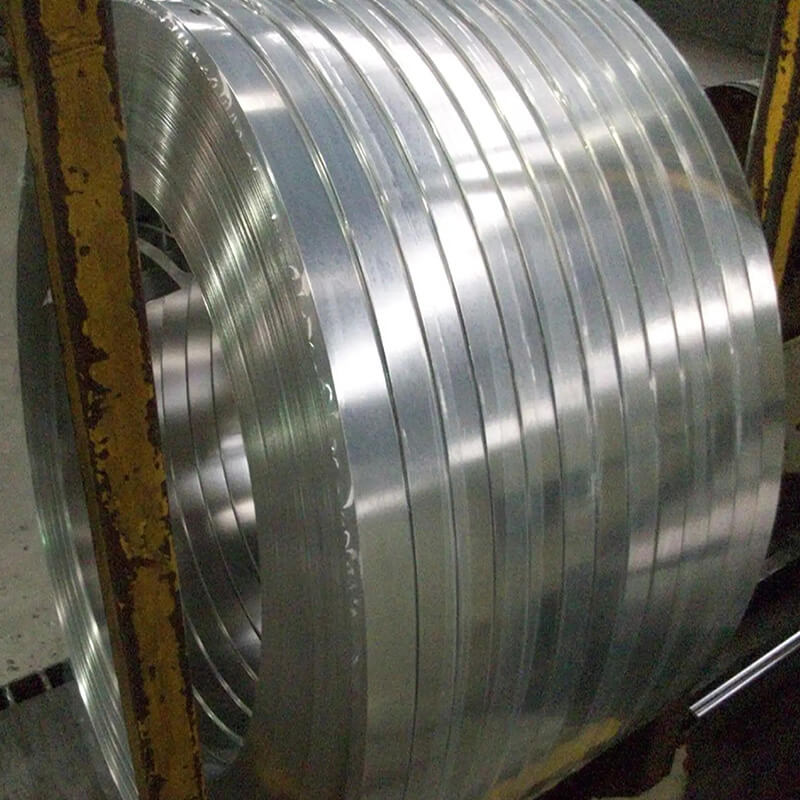
Alloy 1070 and 1050 offer high purity and superior formability. They suit one-piece impact-extruded cans. Alloy 3003 adds manganese for increased strength. This alloy resists pitting corrosion better than purer grades. However, aluminum costs more than tinplate. The material also requires careful handling to prevent surface scratches and dents during production.
How Material Specifications Impact Formability and Strength
The Role of Temper, Thickness, and Surface Condition
Temper describes the hardness of the material. Softer tempers form more easily but offer less strength. Harder tempers provide greater structural support but risk cracking during severe draws. Manufacturers must balance these properties against the can design and filling pressure requirements.
Thickness directly affects burst strength and dent resistance. Thicker materials withstand higher pressures but increase weight and cost. Surface condition influences coating adhesion and welding quality. Clean, uniform surfaces produce consistent results. Contaminants or uneven oxide layers create weak points that fail during forming or service.
Matching Material Grade to Intended Use and Product Chemistry
The product formulation determines the required can material. Acidic products demand higher corrosion resistance. Alkaline formulations may attack aluminum. The compatibility between the product formulation and the packaging must guide material selection. A mismatch leads to premature failure, leaks, and product contamination.
Manufacturers should conduct compatibility testing before finalizing material choices. Test coupons in the actual product under expected storage conditions. Evaluate both internal corrosion and external rust resistance. This testing prevents expensive field failures and protects brand reputation. The right material choice reduces scrap rates and extends product shelf life.
Common Material Defects in Aerosol Can Production
Manufacturers face many material defects in spray packaging. Dents, cracks, pinholes, and improperly sealed valves represent the most frequent issues. Each defect type has distinct causes and requires specific solutions. Understanding these problems helps quality control teams catch failures before they reach customers.
Overview of Defect Types and Their Frequency
Material defects in spray packaging fall into several categories. Mechanical defects include dents from handling and cracks from excessive forming stress. Pinholes develop from material imperfections or contamination. Valve sealing problems cause leaks and pressure loss. Corrosion-related defects affect both internal and external surfaces.
General Corrosion, Detinning, and Pitting Corrosion
General corrosion attacks the entire metal surface uniformly. This type progresses slowly and often appears as surface discoloration. Detinning occurs when the tin layer dissolves from tinplate steel. The exposed steel then rusts rapidly. Holes in the tin coating accelerate this process. Pitting corrosion creates localized cavities that penetrate deep into the metal. This form poses the greatest threat to can integrity.
Polymer Coating Blistering and Adhesion Failure
Internal polymer coatings protect cans from product chemistry. Blistering happens when the coating separates from the substrate. Moisture or chemical attack causes this separation. Adhesion failure allows the product to contact bare metal. Corrosion then begins at these weak points. Poor surface preparation and incompatible coating chemistry drive these defects.
The Most Hazardous Defect: Pitting Corrosion
Pitting corrosion ranks as the most dangerous defect in aerosol cans. This localized attack creates small holes that grow through the can wall. The damage often remains hidden until failure occurs. A single pit can cause sudden leaks and product loss.
Why Pitting Leads to Leaks and Product Failure
Pitting corrosion penetrates metal in a focused pattern. The pit grows downward from the surface. Metal loss concentrates in one small area. The can wall weakens at this point. Internal pressure then forces the remaining metal to rupture. This failure mode releases the propellant and product rapidly. The result creates safety hazards and ruins the packaged product.
Identifying Pitting in Early Stages
Early detection of pitting corrosion requires careful inspection. Visual examination may reveal small dark spots on metal surfaces. These spots indicate where the protective layer has broken down. Microscopic inspection detects pits before they penetrate fully. Regular testing of stored samples helps track corrosion progression. Any sign of surface disruption warrants immediate investigation.
Cracking and Forming Defects in Can Bodies
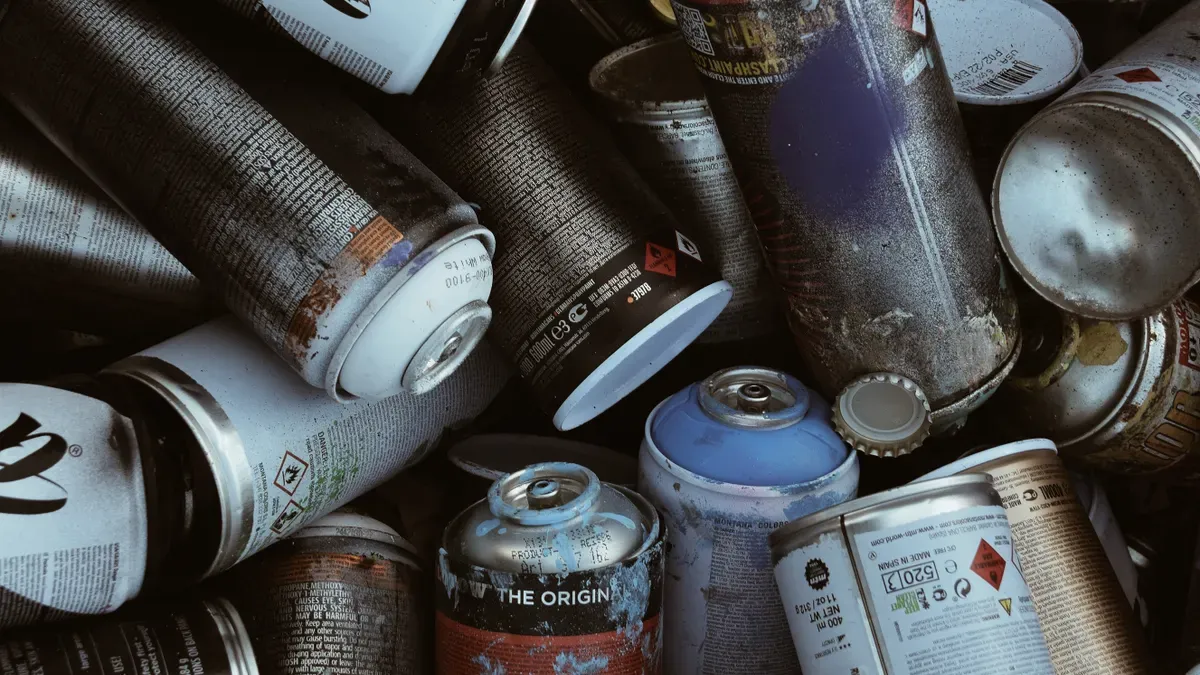
Body wall cracks rank among the most destructive forming defects. A small split in the can wall releases pressure and ruins the container. These cracks often start as tiny imperfections. They grow during drawing, ironing, or expansion. Understanding the root causes helps manufacturers stop cracks before they become leaks.
Root Causes of Body Wall Cracks
Low Temper Steel and Work Hardening
Steel temper describes the hardness and ductility of the material. Low temper steel starts soft and forms easily. However, each forming step stretches the metal and increases its hardness. This process is called work hardening. A can body may pass through several draw and ironing stages. The material becomes progressively less ductile at each stage. Once the steel loses too much ductility, it can no longer stretch. Cracks then appear at the thinnest or most stressed points.
Severe Draw Ratios Exceeding Material Limits
Draw ratio compares the starting blank diameter to the finished cup diameter. A high draw ratio forces the material to stretch far beyond its natural limits. The can wall thins unevenly during this operation. Thin sections cannot support the forming stress. They split under tension. Manufacturers sometimes push draw ratios too high to reduce material costs. This decision trades short-term savings for long-term scrap and downtime.
Visual Indicators and Detection Methods
Recognizing Micro-Cracks Before They Become Leaks
Micro-cracks are small enough to escape casual inspection. They often appear near the base radius or along the weld zone. Good lighting and magnification reveal these early warning signs. A crack in the aluminum foil of a test sample can also indicate forming stress patterns. Dye penetrant testing exposes surface breaks that the eye cannot see. Regular quality control checks catch these defects before they reach the filling line.
Practical Solutions for Forming-Related Cracks
Adjusting Tooling Clearances and Lubrication
Tooling clearance controls how the metal flows during drawing. Clearance that is too tight pinches the material and creates stress points. Clearance that is too loose allows wrinkling and uneven wall thickness. Lubrication reduces friction between the metal and the dies. Proper lubricant selection and application extend tool life and protect the can surface. Operators should monitor clearance and lubricant flow at every forming station.
Specifying a More Formable Material Grade
Material grade selection offers the most direct solution. A softer temper or a more ductile alloy tolerates deeper draws without cracking. Aluminum alloys such as 1050 and 1070 provide excellent formability for one-piece cans. Tinplate with appropriate temper balances strength and ductility for three-piece construction. Testing candidate materials under actual production conditions confirms the right choice. This step prevents costly trial-and-error on the production line.
Flange and Necking Defects
Flange and necking defects disrupt the critical sealing surface of aerosol cans. A flawed flange prevents proper valve crimping and creates leak paths. Necking wrinkles weaken the transition zone between the can body and the valve cup. These defects demand attention because they directly threaten container integrity.
Why Flanges Crack During the Curling Process
Material Anisotropy and Its Impact on Flange Integrity
Material anisotropy describes directional differences in mechanical properties. Rolled metal sheets develop grain structures that align with the rolling direction. This alignment creates stronger and weaker directions within the same sheet. Flange curling forces the material to stretch in multiple directions simultaneously. Cracks form when the stress exceeds the material’s weakest orientation. A crack in the aluminum foil during laboratory testing often mirrors the same directional weakness seen in production flanges.
Excessive Flange Width Relative to Thickness
Flange width determines the sealing surface available for valve crimping. Wider flanges require more material deformation during curling. The material thins as it stretches around the curl radius. Excessive width relative to sheet thickness pushes the material beyond its elongation limit. The flange edge then splits or tears. Manufacturers must balance flange width against the material’s forming capacity.
Distinguishing Flange Cracks from Necking Wrinkles
Flange cracks appear as radial splits along the curled edge. These splits run perpendicular to the flange circumference. Necking wrinkles form as circumferential folds in the transition zone. Wrinkles develop when the material compresses during diameter reduction. Cracks indicate tensile failure. Wrinkles indicate compressive buckling. Proper identification guides the correct corrective action. Quality control inspectors should examine both features under adequate magnification.
Solutions for Achieving a Flawless Flange
Optimizing Pre-Forming and Curling Tool Profiles
Tool profile geometry controls material flow during flange formation. Gradual pre-forming steps distribute strain more evenly across the flange. Sharp tool radii concentrate stress and promote cracking. Polished tool surfaces reduce friction and protect the coating. Operators should verify tool alignment and wear at regular intervals. Minor tool adjustments often eliminate flange defects without material changes.
Selecting Material with Superior Edge Ductility
Edge ductility measures how well a material stretches at its cut edge. Materials with higher edge ductility tolerate more deformation before cracking. Aluminum alloys with finer grain structures typically offer better edge performance. Tinplate with appropriate temper and coating weight also resists edge cracking. Suppliers can provide material certificates documenting ductility properties. Pre-production testing confirms whether a candidate material meets flange forming requirements.
Welding Defects and Their Solutions

Welding joins the side seam of three-piece cans. This process demands precision and consistency. Material properties directly influence weld quality. Surface conditions, coating chemistry, and metal composition all play critical roles. Understanding these factors helps manufacturers produce reliable steel aerosol container welds.
Material Factors That Disrupt the Welding Process
High Electrical Resistance in Coatings
Tinplate carries a thin tin layer that supports electrical conductivity. This property makes tinplate ideal for resistance welding. The tin coating melts during the weld cycle and creates a clean joint. However, organic coatings interfere with this process. Some cans require internal lacquers for product compatibility. These coatings resist electrical current. High resistance generates excess heat at the weld point. The heat burns the coating and creates weak spots. Weld quality suffers when the coating thickness varies across the seam.
Surface Oxides and Contaminants Causing Weld Spatter
Aluminum forms a natural oxide layer on its surface. This oxide has high electrical resistance. It disrupts the current flow during welding. The result produces inconsistent weld penetration. Surface contaminants create similar problems. Oil residues from forming operations leave conductive paths. Dust particles interfere with electrode contact. These contaminants cause weld spatter. Spatter appears as small metal droplets ejected from the weld zone. It weakens the joint and creates rough surfaces.
Recognizing Poor Weld Quality and Inconsistent Seams
Visual inspection reveals many weld defects. A good weld shows a uniform, continuous seam. Poor welds display gaps, burn-through marks, or discoloration. The weld zone may show uneven thickness. Some defects appear only under magnification. Microscopic cracks develop along the weld edge. These cracks grow during subsequent forming operations. Leak testing catches the most serious failures. This testing pressurizes the can and detects escaping air. Regular inspection schedules catch problems before they reach the filling line.
Solutions for Strong, Consistent Welds
Adjusting Welding Parameters (Current, Speed, Pressure)
Welding machines allow precise control of key parameters. Current determines the heat generated at the weld point. Speed controls how long the material stays under the electrodes. Pressure affects the contact between the metal surfaces. Operators must balance these three variables. Too much current burns the material. Too little current creates weak fusion. High speed reduces weld time but may prevent proper melting. Low speed overheats the surrounding metal. Each material grade requires its own parameter set. Trial runs establish the correct settings for each new material batch.
Ensuring Proper Cleaning and Surface Preparation of Edges
Clean edges produce consistent welds. The seam edges must be free from oil, dust, and oxide layers. Mechanical brushing removes surface contamination before welding. This step exposes fresh metal for better electrical contact. Some operations use chemical cleaning for stubborn residues. The cleaning process must not damage the tin coating. Excessive brushing removes too much tin and exposes the steel core. The exposed steel rusts quickly and weakens the weld. Manufacturers should verify cleaning effectiveness through regular testing. A simple wipe test reveals residual oils. Visual inspection confirms the absence of oxide films. Proper surface preparation reduces spatter and improves weld strength. This practice also extends electrode life and reduces maintenance downtime.
Consistent weld quality depends on clean surfaces and stable parameters. A single contaminated batch can produce hundreds of defective cans before detection.
Quality control teams should document weld parameters for each material grade. They should also track defect rates by batch. This data helps identify trends and prevent recurring problems. Tinplated steel aerosol containers benefit from careful parameter control. The tin layer provides natural lubrication during welding. This property reduces electrode wear and maintains consistent contact. Regular calibration of welding equipment ensures accurate parameter delivery. Calibration checks should follow the equipment manufacturer’s schedule.
Coating and Corrosion Defects
Internal coatings and external protection determine how long an aerosol can survives its product. Coating failures open the door to corrosion. Once corrosion begins, can integrity declines rapidly. Pitting corrosion stands as the most hazardous type because it penetrates deeply and causes sudden leaks. Prevention strategies must prioritize this threat above all others.
Coating Adhesion Failure and Blistering
Surface Contamination and Passivation Issues
Polymer coating blistering ranks among the most common defect forms in spray package corrosion. Blisters develop when the coating loses its bond with the metal substrate. Oil residues, dust, and oxide layers prevent proper adhesion. Passivation treatments sometimes leave uneven surfaces that weaken the coating bond. Any gap between coating and metal allows product chemistry to attack the base material.
Incompatibility Between Coating Chemistry and Substrate
Not every coating works with every metal. Some formulations react poorly with aluminum surfaces. Others fail to bond properly with tinplate steel. This incompatibility leads to delamination under thermal stress or chemical exposure. Manufacturers must verify coating compatibility before production begins. A simple adhesion test after curing reveals potential problems early.
Corrosion Mechanisms: General, Detinning, and Pitting
The Effect of Product Chemistry on Internal Corrosion
Product formulations drive internal corrosion rates. Acidic ingredients attack metal surfaces aggressively. Alkaline products dissolve protective oxide layers. Water content accelerates electrochemical reactions. Even trace impurities trigger localized attack. The relationship between product chemistry and container material determines shelf life and safety.
How Storage Conditions and Humidity Affect External Rust
External rust develops when moisture contacts unprotected steel surfaces. High humidity accelerates this process. Temperature fluctuations cause condensation on can surfaces. Warehouse conditions directly influence external corrosion rates. Proper ventilation and climate control reduce rust formation during storage.
Solutions for Preventing Coating and Corrosion Defects
Implementing Strict Pre-Treatment and Cleaning Protocols
Clean surfaces form the foundation of coating adhesion. Pre-treatment steps remove oils, oxides, and contaminants. Alkaline cleaning followed by acid etching prepares metal for coating. Rinsing must remove all chemical residues. Drying completes the preparation process. Each step requires monitoring and documentation.
Enhancing Protective Coating Systems and Cathodic Protection
Advanced coating systems provide multiple layers of defense. Epoxy-based coatings resist chemical attack. Polyester coatings offer flexibility during forming. Cathodic protection uses sacrificial metals to protect steel surfaces. Zinc-rich primers work through this mechanism. These systems extend can life significantly.
Pitting corrosion demands priority attention because it creates holes in the tin coating and penetrates can walls with little warning.
Regular testing of coated samples under accelerated conditions predicts field performance. Salt spray tests simulate years of exposure in weeks. Electrochemical testing measures coating barrier properties. These methods identify weaknesses before products reach customers. A laminated aluminum foil bag corrosion test can also reveal how packaging materials interact with aggressive formulations. Understanding corrosion or degradation pathways helps manufacturers select incompatible materials wisely and avoid costly failures.
Quality Control and Testing Methods for Aerosol Can Production

Quality control and testing are essential to prevent defects from reaching the market. A puncture, a faulty valve, excessive temperatures, or corrosion can result in unintended depressurization. Rigorous testing catches these problems before they cause harm. This section provides a framework for inspection at every stage.
Pre-Production Material Inspection
Verifying Thickness, Temper, and Surface Quality on Delivery
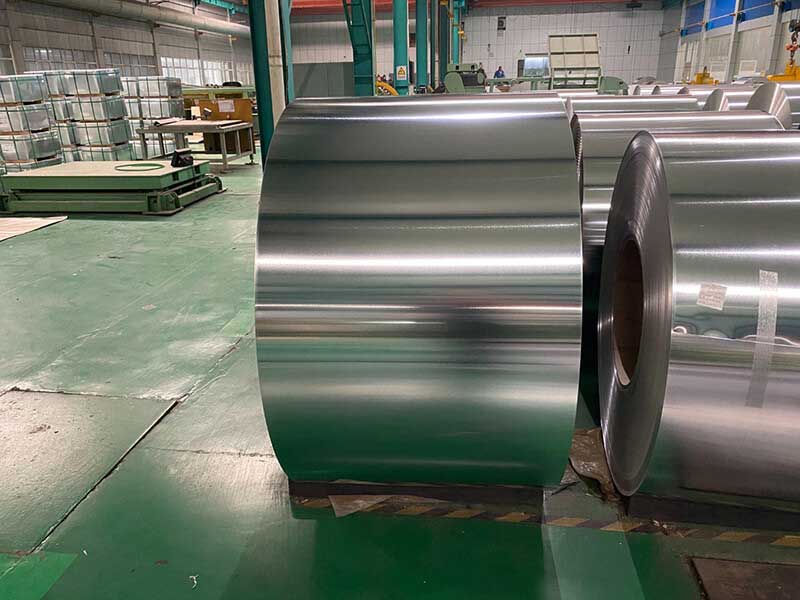
Incoming material inspection starts with the basics. Tinplate size, hardness, and appearance are checked as part of the production inspection protocol. Thickness affects burst strength and dent resistance. Temper determines formability and work hardening behavior. Surface quality influences coating adhesion and welding performance. Inspectors should verify these properties against the material certificate. Any deviation signals a potential source of material defects. Raw materials vary in quality.
Conducting Small-Scale Forming and Welding Tests
Small-scale trials reveal how a material batch behaves under actual production conditions. A few test cups show whether the temper suits the draw ratio. Welding trials expose surface contamination or coating resistance problems. These tests catch issues before full production begins. They also provide baseline data for process adjustments.
In-Process Testing and Monitoring
Leak Detection and Pressure Checks for Finished Cans
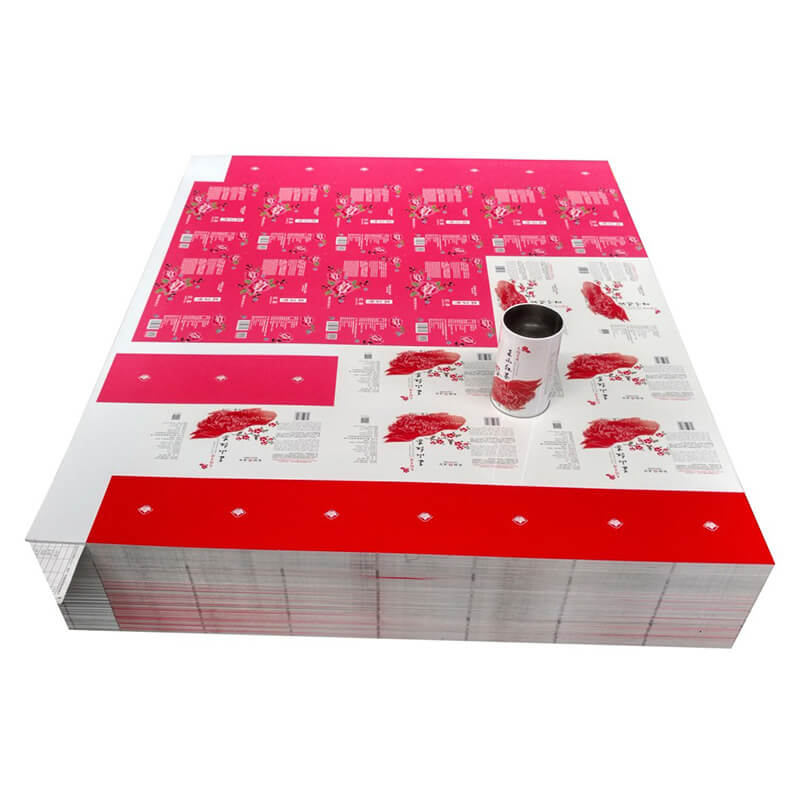
Leak detection protects against leakage and product loss. Every finished can should undergo a leak check. Pressure checks confirm the can withstands internal forces. Completed can checks include diameter, height, gram weight, printing orientation, leak test, inner pressure test, inverted printing check, invisible code, and appearance. Packing checks cover configuration, material, pallet tag barcoding, and appearance. These steps form a complete quality control loop. A single missed defect can lead to product loss and safety risks. Pressure checks also verify the integrity of the valve and seam. This prevents can leakage.
Visual Inspection for Dents, Cracks, and Pinholes
Visual inspection catches defects that instruments may miss. Dents indicate handling damage. Cracks signal forming stress. Pinholes reveal material imperfections or corrosion. Inspectors need good lighting and magnification. A crack in the aluminum foil of a test sample can also indicate forming stress patterns. Regular inspection schedules prevent defective cans from reaching the filling line. Regular testing of finished cans catches defects early.
Partnering with a Reliable Material Supplier

Key Questions to Ask About Material Traceability and Certifications
A reliable supplier provides full traceability. All aerosol cans are printed with an invisible UV code that indicates the production facility, date, time, and shift in which the can was produced. Ask the supplier whether they perform tinplate size, hardness, and appearance inspection.
Ask whether each can carries an invisible UV traceability code identifying facility, date, time, and shift. Ask whether they provide a detailed inspection report for every production lot. Tinplated steel aerosol containers can have areas where the tin coating does not fully cover the steel substrate. This non-wetting creates holes in the tin coating that expose either the substrate steel or a very thin iron-tin alloy layer. Numerous such holes are present in all such containers. Ask suppliers how they inspect for tin coating coverage and whether they certify the continuity and quality of the tinplate coating.
The Importance of Pre-Production Material Trials
Pre-production trials confirm that a can material meets all requirements. They test formability, weldability, and coating adhesion. They also reveal how the material interacts with the intended product chemistry. A successful trial reduces scrap and downtime. It also builds confidence in the supplier relationship.
Summary Table: Common Defects, Causes, and Solutions
| Defect | Cause | Solution |
|---|---|---|
| Body wall cracks | Low temper, severe draw ratio | Adjust tooling, specify more formable grade |
| Flange cracks | Material anisotropy, excessive width | Optimize tool profiles, select edge ductility |
| Weld spatter | Surface oxides, contaminants | Clean edges, adjust current, speed, pressure |
| Coating blistering | Surface contamination, incompatibility | Strict pre-treatment, compatible coating |
| Pitting corrosion | Product chemistry, coating failure | Enhanced coating, cathodic protection |
This table serves as a quick reference for QC teams. It links each defect to its root cause and a practical fix. The keyword aerosol can production: common material problems and solutions captures the goal of this guide. Testing at every stage protects product integrity. A faulty seam or a weak seal can ruin an entire batch. Prevention through material knowledge and process control is the best strategy.
Proactive material management is your first line of defense against production defects. Cracking, flange fractures, welding instability, coating failures, and corrosion all trace back to material properties. Understanding these properties helps you troubleshoot problems quickly and effectively.
A strong partnership with a reliable supplier matters. Combine that partnership with rigorous incoming inspection and tight process control. This strategy minimizes scrap, downtime, and quality issues.
Aerosol cans are leakproof and made from aluminum or steel. They protect ingredients from contamination and evaporation. Maintaining this integrity depends on defect-free production. Investing in material knowledge and quality control leads to a more efficient and profitable manufacturing operation. The guide aerosol can production: common material problems and solutions shows that prevention beats repair every time.
FAQ
Which material works better for aerosol cans, tinplate or aluminum?
Neither material wins in every case. Tinplate offers strength and lower cost for three-piece cans. Aluminum alloys like 1070, 1050, and 3003 resist corrosion well and suit one-piece cans. The product chemistry and filling pressure decide the right choice.
Why does pitting corrosion pose the greatest danger to can integrity?
Pitting attacks one small area and bores deep into the metal. The damage stays hidden until the wall ruptures. Internal pressure then releases the propellant and product without warning. General corrosion and detinning progress more slowly and show visible signs earlier.
What causes body wall cracks during can forming?
Two main causes stand out. Low temper steel hardens with each draw step until it can no longer stretch. A draw ratio beyond the material’s limit thins the wall unevenly. Both conditions split the metal at its weakest point.
How can manufacturers tell flange cracks apart from necking wrinkles?
Flange cracks run radially along the curled edge and signal tensile failure. Necking wrinkles form circumferential folds in the transition zone and signal compressive buckling. Inspectors should examine both features under magnification to choose the correct fix.
What steps prevent weld spatter and inconsistent seams?
Clean seam edges first. Remove oil, dust, and oxide layers through mechanical brushing or chemical cleaning. Then balance current, speed, and pressure for each material batch. Trial runs establish the correct parameter set before full production begins.
Why does polymer coating blistering lead to corrosion?
Blistering means the coating has lost its bond with the metal. Oil residues, dust, and uneven passivation layers cause this separation. Product chemistry then reaches the bare substrate through the gap. Corrosion starts at these weak points and spreads.
How does product chemistry affect internal corrosion rates?
Acidic ingredients attack metal surfaces aggressively. Alkaline products dissolve protective oxide layers. Water content speeds up electrochemical reactions. Even trace impurities trigger localized attack. Compatibility testing between the formulation and the can material prevents premature failure.
What should quality control teams check before production starts?
Verify thickness, temper, and surface quality against the material certificate. Run small-scale forming and welding trials. Confirm coating adhesion after curing. These checks catch material defects before full production and reduce scrap, downtime, and field failures.