Skip to content

Why Aerosol Can Manufacturers Use Tinplate Steel comes down to one simple fact: no other material matches its balance of strength, safety, corrosion resistance, formability, and recyclability for pressurized containers. Tinplate steel handles the high internal pressure that propellants create. It also allows precise forming during production and delivers airtight sealing that keeps products stable for years.
Alternatives like aluminum and plastic fall short in one or more of these areas. Aluminum costs more and dents easily. Plastic cannot safely contain pressurized contents.
Several practical reasons explain this material choice. These include pressure resistance, puncture resistance, corrosion protection, manufacturing efficiency, recyclability, and cost-effectiveness. Each factor plays a direct role in how aerosol cans perform on shelves and in homes.
Key Takeaways
- Tinplate steel handles high pressure inside aerosol cans without deforming.
- The tin coating protects steel from rust and keeps products safe.
- Tinplate resists dents and cracks, ensuring safety during drops and impacts.
- Manufacturers shape tinplate easily, allowing fast production of cans.
- Tinplate recycles infinitely without losing quality, supporting the environment.
- Tinplate costs less than aluminum and performs better than plastic.
- Tinplate cans have a long shelf life and keep products stable for years.
- Tinplate meets safety standards and is the logical choice for aerosol cans.
Why Aerosol Can Manufacturers Use Tinplate Steel: Strength And Pressure

A pressurized aerosol can contains more than liquid. It contains an outward force that never stops pushing. Every product inside depends on that force staying under control. Tinplate steel controls it. The material pairs a stiff steel base with a thin tin coating. That pairing delivers strength without extra weight. The material decision starts with pressure containment.
Withstanding Internal Pressure
High PSI Tolerance
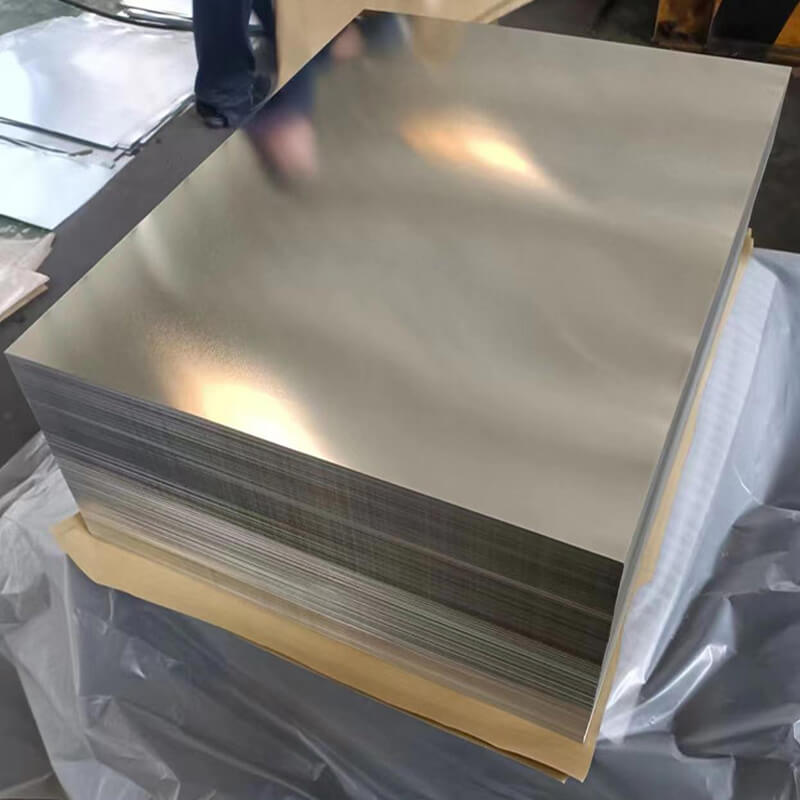
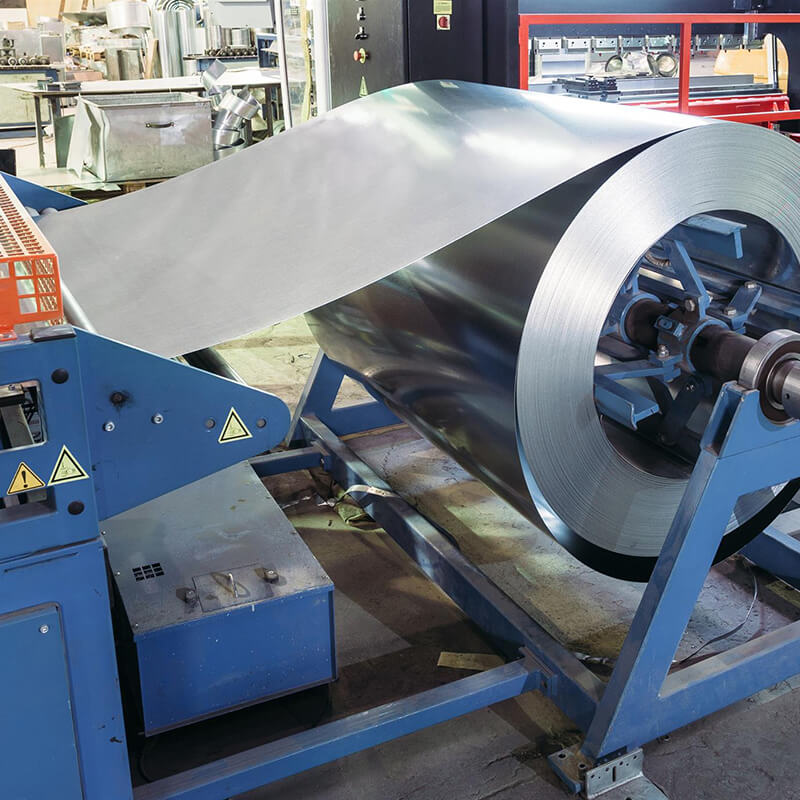
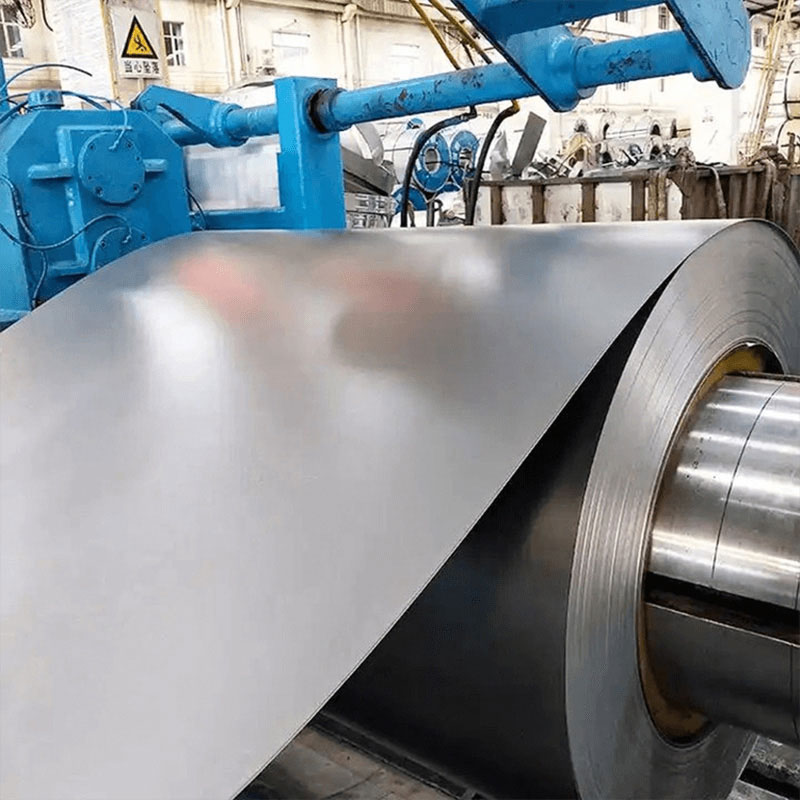
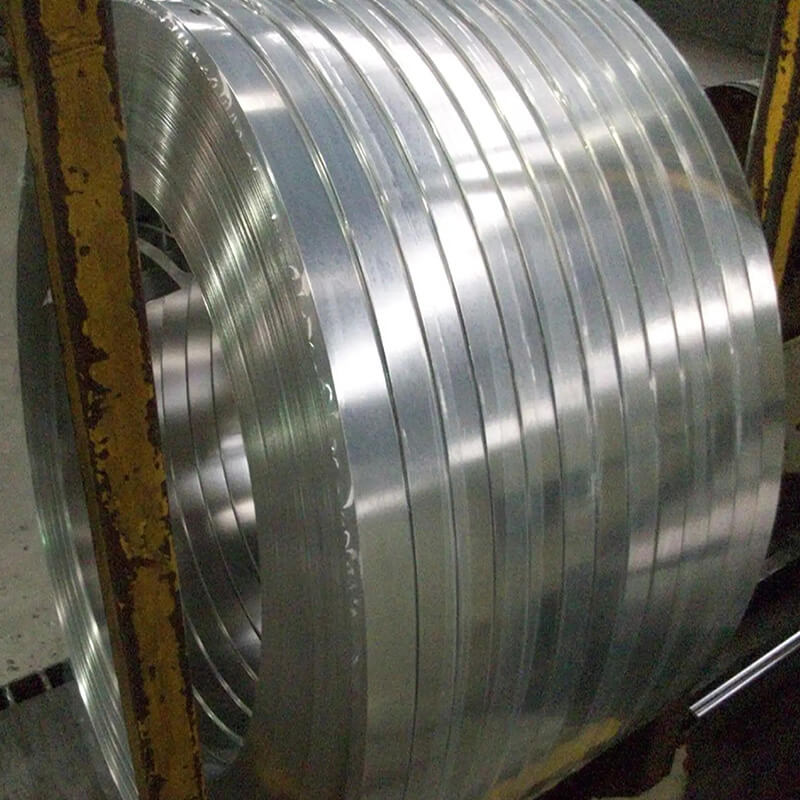
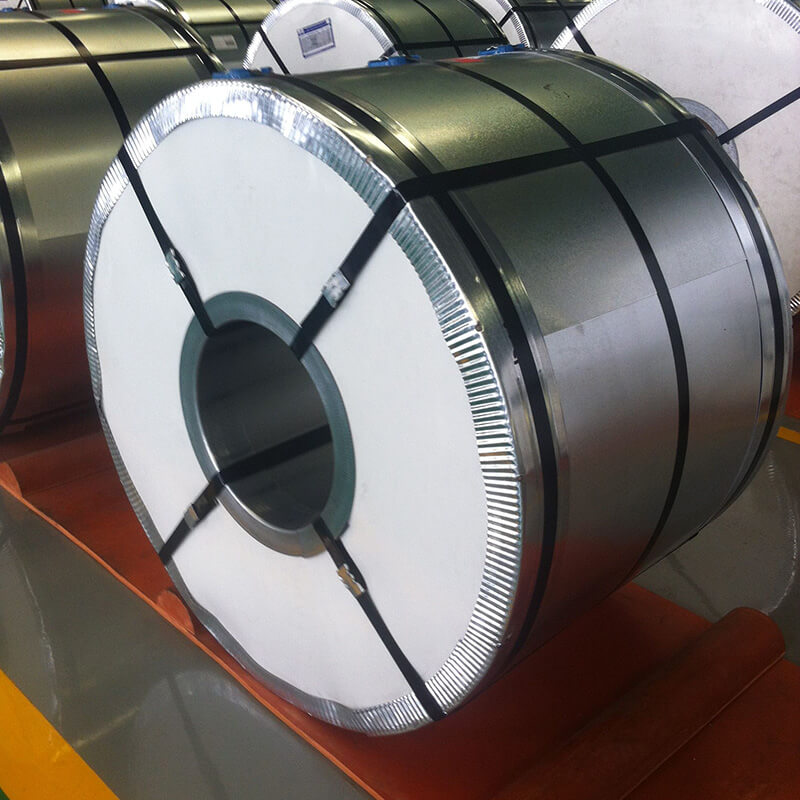
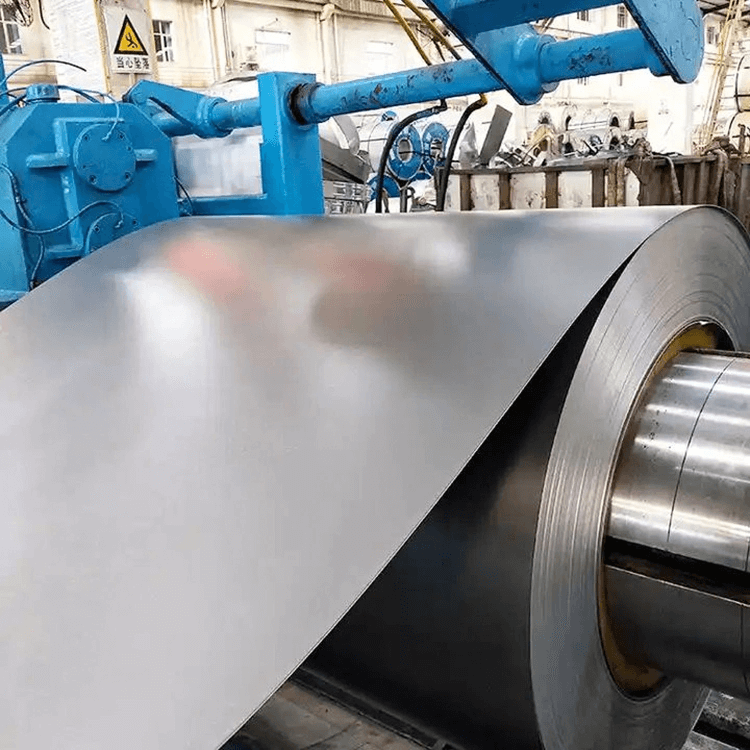
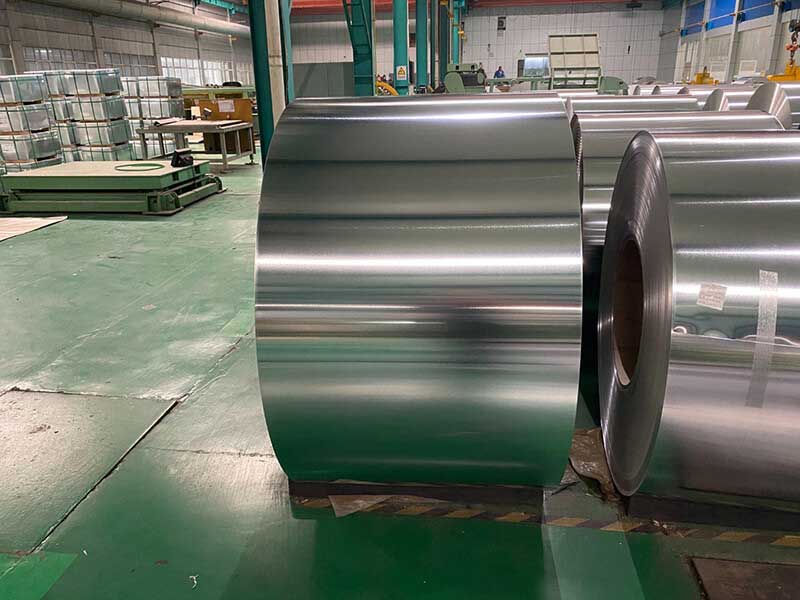
Propellants create pressure inside the can. The pressure pushes against the walls, the bottom dome, and the valve. Tinplate handles that force. The steel core carries the load. The tin layer protects the core without adding bulk. Manufacturers call this product electrolytic tinplate or ETP. ETP begins as a steel coil. A controlled electroplating process deposits the tin coating evenly across both sides. This combination gives aerosol cans mechanical strength and high-pressure tolerance.
Aerosol products come in many forms. Deodorants, air fresheners, and spray paints all use pressurized formulas. Each formula has its own propellant blend. Some blends need more pressure than others. Tinplate supports the full range. A can filled with a strong propellant does not swell or soften. It holds its shape from the production line to the user’s hand. Strength matters even before filling. Filling machines push product into the can at high speed. The can must accept that surge without deforming.
Deformation Resistance
Pressure does not only threaten to burst the can. It can also cause gradual deformation. The walls might bulge. The seams might pull apart. The bottom might round outward. Tinplate resists all of these changes. Steel resists creep under sustained tension. That property keeps the can’s shape stable for months or years. A stable shape keeps stress distributed evenly. An even stress distribution prevents weak spots.
Hot environments raise pressure further. Sunlight through a window warms a can. A car trunk can get even hotter. The higher pressure pushes harder. Tinplate tolerates that extra load without permanent damage. When pressure returns to normal, the can returns to its original shape. Not all materials behave that way. Polymers tend to stretch and stay stretched. Stretched material becomes thinner. Thin areas become failure points. Steel avoids that cycle.
Structural Integrity
Structural integrity covers more than pure pressure. It covers real life. Cans fall from shelves. Shipping boxes shift. Warehouse racks stack cartons. The bottom cans support the weight of the cartons above them.
Dents And Buckling
A dent in a pressurized can looks bad, but it also changes the stress pattern. The dented area becomes a point of concentrated stress. Tinplate’s stiffness limits how deep a dent can go. The rest of the can continues to carry the load. Thin materials behave differently. A small dent can cause the wall to buckle. Buckling spreads quickly. Once the structure loses its shape, the can becomes much weaker.
Steel columns resist stacking compression. Tinplate delivers the required column strength. A plastic can or a thin aluminum can would crush under lower loads. Tinplate also survives impacts. Its ductility lets the metal absorb energy by denting rather than cracking. Cracking lets propellant escape. Denting does not. A dented steel can remains functional. The same impact on a weaker can could open a leak path.
Why Weaker Materials Fail
Plastic And Thin Aluminum
Plastic lacks stiffness. The wall flexes outward with internal pressure. Flexing stores extra energy in the material. Every flex cycle weakens the plastic. Over time, the can grows and the wall gets thinner. A plastic aerosol can also loses propellant through the wall. Molecules pass slowly through most polymers. Pressure drops. The product stops spraying reliably.
Thin aluminum has its own problems. Aluminum offers excellent corrosion resistance and light weight. However, it cannot match steel’s rigidity at the same thickness. To survive aerosol pressure, an aluminum can needs thicker walls than steel. A thicker wall drives up material cost. Aluminum already costs more per can than tinplate. A thin aluminum can dents easily. Dents from shipping or handling reduce local strength. A sharp impact can crease the metal. Creases concentrate stress. Repeated pressurization may crack them.
No material beats steel for pressure containment. Tinplate combines a rigid backbone with a protective coating. It powers deodorant sprays, air fresheners, and many industrial aerosols. The strength comes from the steel, and the steel does not quit.
Safety And Puncture Resistance

Minimizing Rupture Risk
Safe Pressure Containment
Safety starts with the can’s ability to hold pressure without failing. Tinplate steel contains internal pressure through its rigid steel core. The steel wall carries the load, and the tin coating protects the surface. This structure keeps the can intact even when propellant pressure rises. A can that holds its shape under pressure protects the person holding it.
Rupture happens when a material cannot contain the force inside. Steel resists rupture because it stretches before it breaks. That stretching absorbs energy. The can may deform, but it rarely shatters. This behavior gives users a critical margin of safety during normal use and accidental mishandling.
Ductility And Safety
Ductility describes how well a metal bends without cracking. Tinplate offers excellent ductility and workability. Manufacturers shape the can body, dome, and valve cup without creating weak points. Cracks would create leak paths and pressure loss. Ductile steel forms cleanly and keeps its strength after forming.
This same ductility protects users during everyday handling. A can that bends slightly under impact still holds its contents. A brittle material would crack instead. Tinplate’s workability also supports safe manufacturing. Production lines form thousands of cans per hour, and the material must tolerate that speed without failing.
Handling Drops And Impacts
Real-World Accident Scenarios
Aerosol cans fall from shelves, roll off counters, and shift inside shipping cartons. Each impact tests the can’s structure. Tinplate steel absorbs impact energy through localized denting. The dent stays small, and the rest of the can continues to contain pressure. This behavior explains why a dropped steel can usually remains usable.
A plastic can behaves differently. It may crack at the impact point. A thin aluminum can may crease and weaken. Both outcomes risk leakage or sudden pressure release. Steel’s toughness gives it an advantage in these real-world scenarios.
Meeting Safety Standards
Aerosol Safety Codes
Aerosol containers must meet established safety codes before they reach the market. These codes govern pressure ratings, wall thickness, valve performance, and drop testing. Manufacturers design tinplate cans to satisfy these requirements. The material’s strength and ductility make compliance achievable without excessive weight or cost.
Steel also supports safe disposal. A punctured or emptied steel can releases no propellant suddenly. The material’s predictable failure mode helps recyclers and waste handlers. Tinplate steel meets safety expectations at every stage, from the production line to the recycling bin. This reliability explains why aerosol can manufacturers use tinplate steel for pressurized products.
Corrosion Resistance
Tinplate begins as a mild-steel sheet. Manufacturers coat both sides with a very thin layer of tin. That coating changes how the steel behaves in a wet, chemical environment. Steel alone rusts quickly when moisture and oxygen reach its surface. The tin layer blocks that contact. It also protects the filling from outside contamination. This dual protection explains why Why Aerosol Can Manufacturers Use Tinplate Steel for products that must stay stable for years.
The Tin Coating Barrier
How Tin Protects Steel
Tin acts as a physical shield. It covers the steel surface and keeps water and oxygen away from the iron underneath. Tin also resists corrosion itself. The metal forms a stable oxide layer that slows further reaction. Even when the coating develops a small scratch, tin continues to protect the exposed steel nearby. This sacrificial behavior limits damage to a tiny area.
Electrolytic tinplate, or ETP, applies this coating with precision. A controlled electroplating process deposits tin evenly across the coil. The result is a consistent barrier with no thin spots. ETP also offers weldability and printability, which matter during can production.
Food-Safe And Product-Safe
Tin carries a long history of safe contact with food and consumer products. It does not react with most ingredients. That inert quality keeps the filling pure. A deodorant or air freshener inside a tinplate can will not pick up metallic taste or odor. The coating also prevents the product from touching bare steel. This separation protects both the can and its contents.
Resistance To Product Chemicals
Acids, Solvents, Propellants
Aerosol formulas vary widely. Some contain mild acids. Others carry solvents, alcohols, or fragrance oils. Propellants add their own chemical character. Each ingredient can attack an unprotected metal surface. Tinplate resists this attack through its tin layer. The coating tolerates many common chemicals without breaking down.
Manufacturers match the coating weight to the formula. A more aggressive product needs a thicker tin layer. This flexibility lets one base material serve many product types. Paint, insecticide, and automotive sprays all rely on this adaptability.
Long-Term Shelf Life
Airtight Sealing And Leak Prevention
Aerosol cans must hold pressure and product for months or years. Tinplate supports excellent airtight sealing at the seams and valve cup. A tight seal keeps propellant inside and air outside. No oxygen enters to degrade the formula. No moisture enters to trigger corrosion.
Leak prevention depends on seam integrity. Steel seams hold tight under pressure. The tin coating protects those seams from chemical attack. A protected seam stays sealed through shipping, storage, and daily use. This reliability gives tinplate cans their long shelf life. It also keeps the product performing the same way on the last spray as on the first.
Formability And Manufacturing Efficiency

Tinplate steel enables precise forming during aerosol can manufacturing. Manufacturers need consistent shapes and exact dimensions. Tinplate bends, draws, and folds without cracking. It also keeps its thickness during forming.
Shaping Can Bodies
Seamless And Welded Cans
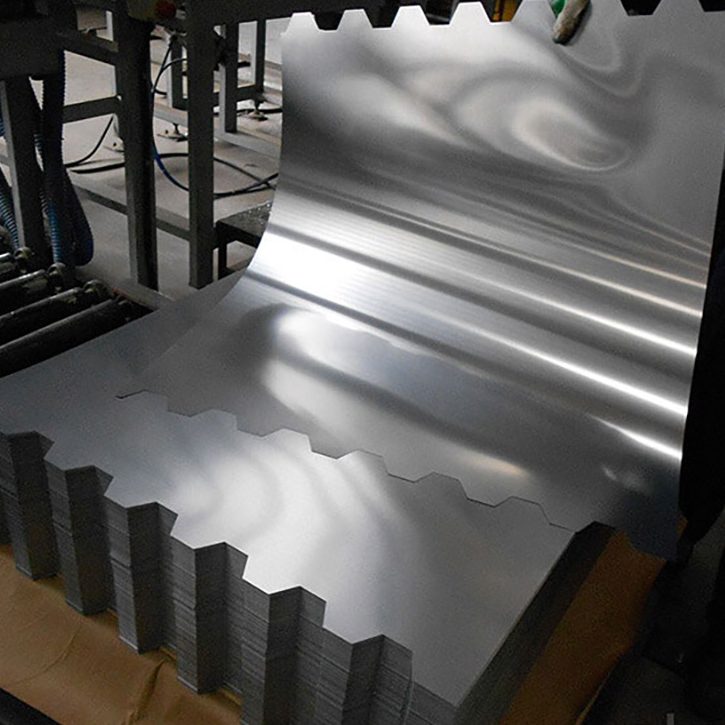
Three-piece aerosol cans begin as flat tinplate blanks. A body former wraps each blank into a cylinder. The edges meet and weld together. Tinplate’s weldability supports this step. The weld must be strong and leak-free. Tin’s coating does not interfere with the welding process. The result is a seamless joint that holds pressure.
Manufacturers also form the can’s top and bottom domes. These curved shapes must fit the body exactly. Tinplate forms these parts cleanly. It does not tear or wrinkle under the die. This workability makes tinplate a practical choice for three-piece cans.
Valve And Nozzle Fitting
The valve cup sits at the top of the can. It must fit tightly around the dome. Tinplate allows precise forming of this small component. A tight fit keeps the valve secure and prevents leakage. The nozzle and actuator attach after filling. Their fit depends on the can’s dimensional accuracy. Tinplate holds those dimensions through production.
The material’s uniform behavior also helps automated assembly. The metal deforms a controlled amount and then springs back slightly. That predictable action creates a stable crimp. A stable crimp keeps the seal airtight.
High-Speed Production
Fast Manufacturing Lines
Aerosol can production runs at high speed. Automated lines shape, weld, and test cans continuously. Tinplate handles this pace without slowing down. For example, Guangdong Hongyuan Metal Packaging Co., Ltd. makes three-piece tinplate aerosol cans. The manufacturer reports that its full-automatic high-speed lines operate at 300 pieces per minute. That speed demands a material that forms predictably. Tinplate meets the demand.
The material’s consistent surface also supports smooth feeding. Cans move station to station without jamming. Fewer jams mean fewer wasted blanks.
Consistent Quality
Uniform Thickness And Coating
Tinplate comes from a controlled process. Steel coils have uniform thickness. The tin coating covers both sides evenly. This uniformity helps every can perform the same way. A consistent wall thickness distributes pressure evenly. A consistent coating provides uniform corrosion protection.
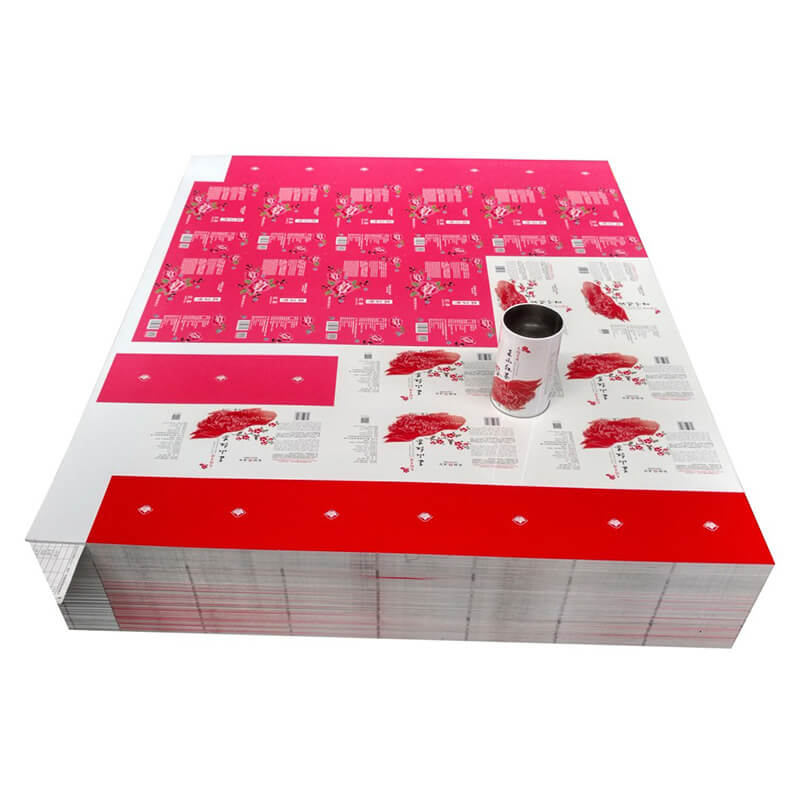
Printability also benefits from this consistency. Tinplate accepts ink and lacquer smoothly. Manufacturers print labels and warnings directly onto the can. The smooth surface produces sharp, readable text.
The high speed of modern lines makes consistency even more important. A single coil must produce thousands of identical cans. Uniform thickness and coating ensure that it does.
Overall, tinplate’s formability makes it the backbone of efficient aerosol can production. It shapes easily, welds cleanly, and runs fast. That efficiency is another reason Why Aerosol Can Manufacturers Use Tinplate Steel.
Recyclability And Environmental Benefits

Infinite Recyclability
Closed-Loop Steel Cycle
Steel stands apart from most packaging materials because it recycles in a true closed loop. A used aerosol can enters the recycling stream. A steel mill melts it down. The resulting steel becomes new sheet, new beams, or new cans. Nothing goes to waste in this cycle. The same iron atoms can return to service again and again.
Tinplate fits this cycle perfectly. The tin coating separates easily during the melting process. Steelmakers recover the tin and reuse it. The base steel then becomes raw material for the next generation of products. This recovery step keeps valuable metal out of landfills.
No Quality Loss
Recycled steel performs the same as virgin steel. The melting process removes coatings, labels, and residues. What remains is clean, high-quality metal. A can made from recycled steel holds pressure just as well as one made from new ore. This quality retention separates steel from many other materials.
Plastic degrades each time it recycles. Polymer chains shorten with every melt cycle. Recycled plastic often becomes a lower-grade product. Aluminum also recycles well, but its production demands far more energy than steel. Steel’s infinite recyclability gives it a lasting advantage.
Circular Economy Support
Reducing Raw Material Demand
Every recycled can reduces the need for new iron ore and coal. Steelmakers save energy when they use scrap instead of virgin material. They also cut emissions and water use. These savings multiply across millions of aerosol cans each year.
The circular economy depends on materials that stay in use. Tinplate supports that goal directly. A can returns to the furnace, becomes new steel, and re-enters the market. This loop reduces pressure on natural resources. It also keeps manufacturing costs stable over time.
Why Other Materials Lag
Plastic And Aluminum Recycling
Plastic recycling rates remain low in most regions. Many plastic containers end up in landfills or incinerators. Even when collected, mixed plastics are hard to sort and process. The material often loses strength after one or two cycles.
Aluminum recycles at higher rates than plastic, but challenges remain. Aluminum production consumes large amounts of electricity. Recycling aluminum saves energy compared to primary production, yet the metal still carries a higher cost burden than steel. Tinplate offers strong recyclability at a lower cost. That combination explains why aerosol can manufacturers use tinplate steel for pressurized products. The material performs well, and it returns to the loop when the can is empty.
Cost-Effectiveness
Reliable Price Point
Stable Raw Material Costs
Steel production relies on abundant raw materials. Iron ore and scrap steel supply a steady stream to mills worldwide. This abundance keeps tinplate prices more predictable than many alternatives. Manufacturers can plan budgets with confidence. They do not face the sudden price swings that affect other packaging metals.
Tin itself adds only a thin coating to the steel base. The coating weight stays low, so tin’s higher cost per pound has limited impact on the final can price. Aerosol producers benefit from this balance. They get corrosion protection without paying for solid tin construction.
Lower Cost Than Aluminum
Aluminum costs more per can than tinplate for aerosol applications. The metal itself carries a higher price tag. Aluminum also needs thicker walls to match steel’s rigidity under pressure. That extra thickness drives up material use and cost. Tinplate delivers the same pressure tolerance with less metal.
Plastic appears cheap at first glance. However, plastic cannot safely contain pressurized propellants. Manufacturers cannot use it for most aerosol products. This limitation removes plastic from serious cost comparisons. Tinplate remains the practical choice for pressurized containers.
Manufacturing Savings
Efficient Material Use
Tinplate’s strength allows thin walls without sacrificing performance. Engineers calculate the minimum thickness needed for a given pressure rating. Steel meets that rating with less material than weaker alternatives. Less material per can translates to lower cost per unit.
The material also runs efficiently on high-speed production lines. Tinplate forms, welds, and crimps without jamming or tearing. Fewer production stops mean less downtime and less waste. These savings compound across millions of cans each year.
Total Cost Of Ownership
Durability Reduces Waste
Tinplate aerosol cans serve many industries. Automotive, industrial, household, paint, and insecticide applications all rely on them. These sectors need containers that survive rough handling and long storage. Tinplate’s mechanical strength and high-pressure tolerance meet that need. A can that holds up reduces replacement costs.
Waste reduction extends beyond the factory. A durable can protects its contents through shipping and shelf life. Product loss from leaks or failures drops. Retailers and consumers avoid the cost of spoiled goods. This reliability explains why aerosol can manufacturers use tinplate steel for demanding applications. The upfront price may exceed some alternatives, but the total cost of ownership favors tinplate over time.
Tinplate steel offers the most balanced solution for aerosol cans. It addresses safety, performance, sustainability, and practicality in one material. No other option matches this combination across all these areas.
The key reasons include strength, puncture resistance, corrosion protection, formability, recyclability, and cost-effectiveness. Each factor supports reliable performance from production through disposal.
Why Aerosol Can Manufacturers Use Tinplate Steel is now clear. The material handles pressure, resists damage, and returns to the recycling loop. It shapes easily on high-speed lines and keeps costs predictable.
Tinplate steel is not just a choice. It is the logical choice for pressurized aerosol containers.
FAQ
Why don’t aerosol can manufacturers use plastic?
Plastic lacks stiffness and cannot contain pressurized propellants safely. Its walls flex under pressure and thin over time. Gas also escapes through polymer walls, reducing spray performance. Plastic falls short of the safety and reliability requirements that steel meets.
What makes tinplate different from ordinary steel?
Manufacturers make tinplate by electroplating a thin tin layer onto a steel sheet. The steel carries the structural load, and the tin blocks moisture, oxygen, and product chemicals from reaching the iron. This combination gives a pressurized can both strength and corrosion resistance.
How does tinplate handle high pressure without deforming?
Tinplate’s steel core resists sustained pressure and resists creep, so walls do not bulge or swell. The can returns to its original shape after a hot environment raises pressure. Polymer materials stretch and stay stretched, forming weak points over time.
Is tinplate safe for products that contact the metal directly?
Tin does not react with most ingredients. It prevents corrosion and keeps the product from picking up metallic taste or odor. Manufacturers can also adjust the tin coating weight to match aggressive formulas containing acids, solvents, or strong propellants.
Can a dented tinplate aerosol can still work normally?
A localized dent concentrates stress, but steel’s stiffness limits how deep the dent goes. The can keeps its pressure, remains leak-free, and works normally. Brittle materials crack and lose propellant through leak paths.
Does tinplate slow down high-speed production lines?
No, tinplate forms and welds cleanly at high speed. Three-piece can lines fold the steel into cylinders, weld the seam, and crimp the valve. Consistent thickness and coating allow automated machines to run thousands of cans per hour without jamming or tearing.
How does the recycling process work for tinplate aerosol cans?
The empty can enters the steel recycling stream. A steel mill melts it down and separates the tin coating for reuse. The steel becomes new sheet or new cans. Recycled steel performs the same as virgin steel, closing the loop without quality loss.
Is tinplate more cost-effective than aluminum or plastic?
Plastic cannot contain aerosol pressure, so it is not a real alternative for most products. Aluminum costs more per can and needs thicker walls to match steel’s rigidity. Tinplate’s abundance, strength, and thin coating keep its price stable and its total cost low.